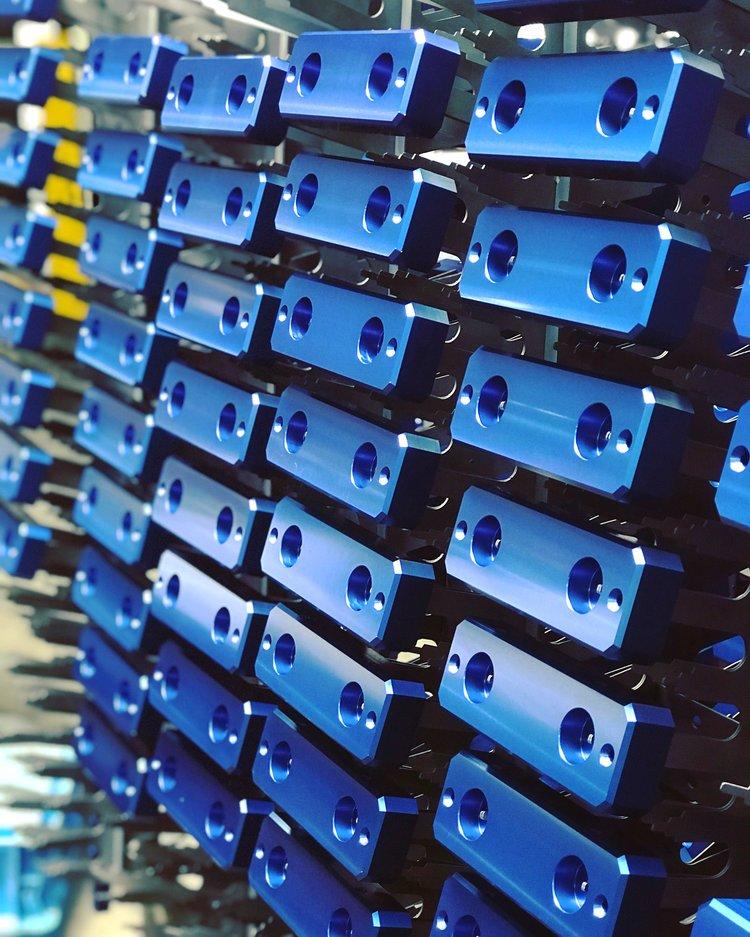
Metal finishing is far more than a cosmetic process. It plays a critical role in improving corrosion resistance, wear resistance, durability, and overall product performance while enhancing the appearance of metal components. Whether you’re manufacturing industrial equipment, architectural features, automotive parts, or custom fabrication projects, selecting the right finishing method can significantly extend the life of your product.
This guide explores the most common metal finishing techniques, their advantages, typical applications, and estimated pricing to help you choose the best solution for your project.
1. Anodizing
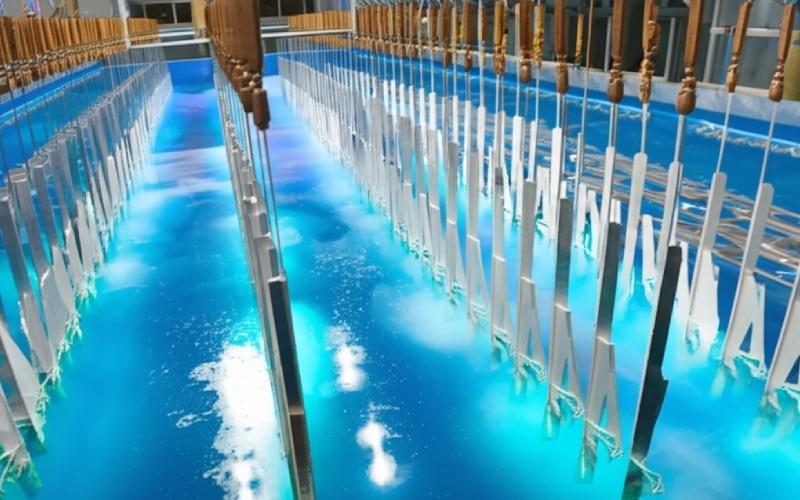
Anodizing is an electrochemical finishing process used primarily on aluminium. It thickens the natural oxide layer, creating a durable, corrosion-resistant surface that can also be coloured in a variety of shades.
Benefits
- Excellent corrosion resistance
- Superior scratch resistance
- UV-stable colours
- Low maintenance
- Long service life
Common Applications
- Aluminium doors and windows
- Curtain wall systems
- Consumer electronics
- Automotive trim
- Outdoor furniture
Typical Cost: $0.50–$1.50 per sq. ft.
2. Powder Coating
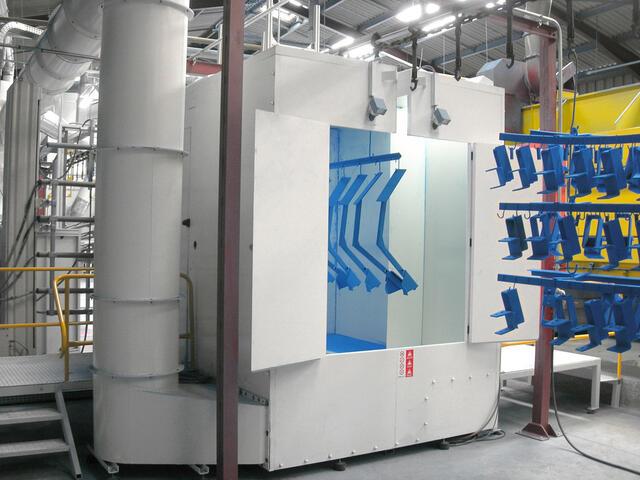
Powder Coating involves applying electrostatically charged powder to a metal surface before curing it in an oven. The result is a hard, attractive finish that outperforms conventional paint in durability.
Benefits
- Excellent impact resistance
- Wide range of colours and textures
- Weather resistant
- Environmentally friendly
- Low maintenance
Common Applications
- Gates and fencing
- Steel furniture
- Automotive parts
- Industrial machinery
- Architectural steelwork
Typical Cost: $4.00–$10.00 per sq. ft.
3. Metal Plating
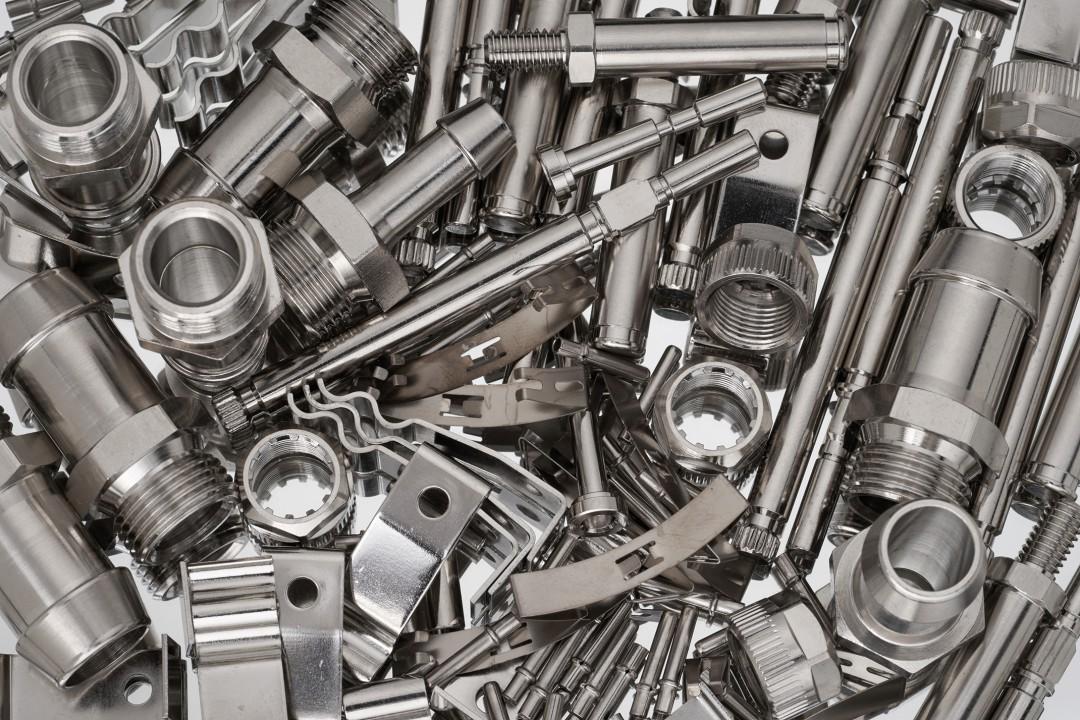
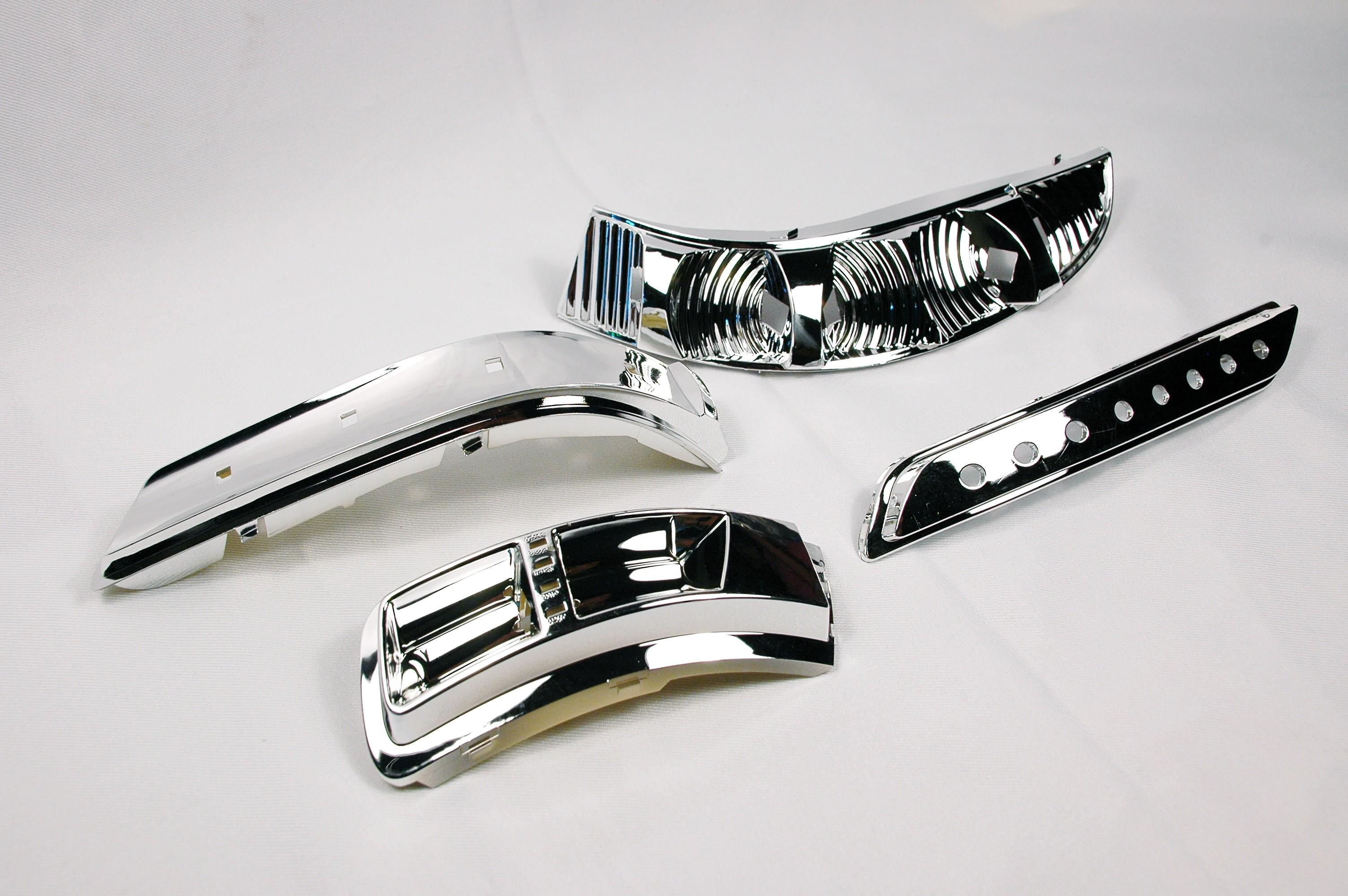
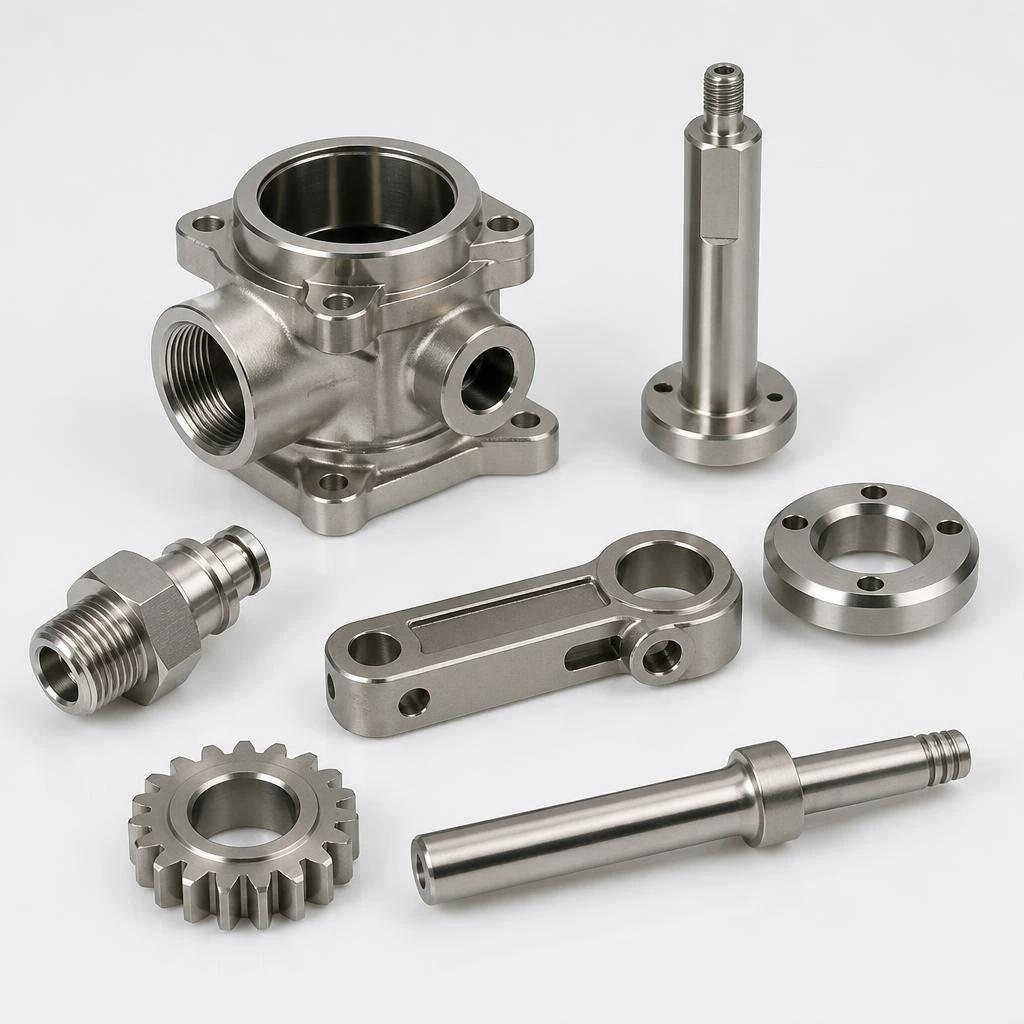
Metal plating deposits a thin layer of another metal onto a component to improve corrosion resistance, wear resistance, and appearance.
Nickel Plating
Ideal for machinery, fasteners, and engineering components.
Typical Cost: $2.00–$5.00 per sq. ft.
Chrome Plating
Provides a brilliant mirror finish with exceptional hardness.
Typical Cost: $3.00–$10.00 per sq. ft.
4. Electropolishing
Electropolishing removes a microscopic layer of metal using an electrochemical process, producing a smooth, highly reflective surface with enhanced corrosion resistance.
Benefits
- Mirror finish
- Easy to clean
- Improved hygiene
- Removes microscopic burrs
- Increased corrosion resistance
Applications
- Food processing equipment
- Medical equipment
- Pharmaceutical machinery
- Stainless steel fabrication
Typical Cost: $1.00–$3.00 per sq. ft.
5. Hot-Dip Galvanizing
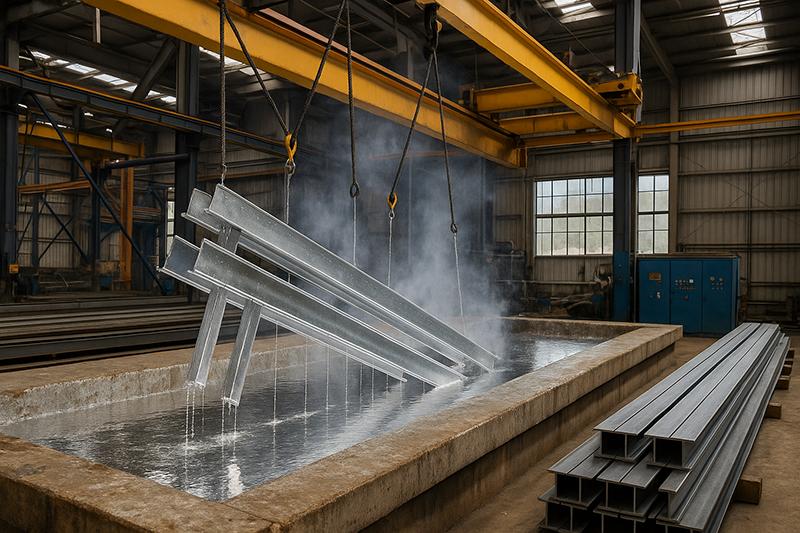
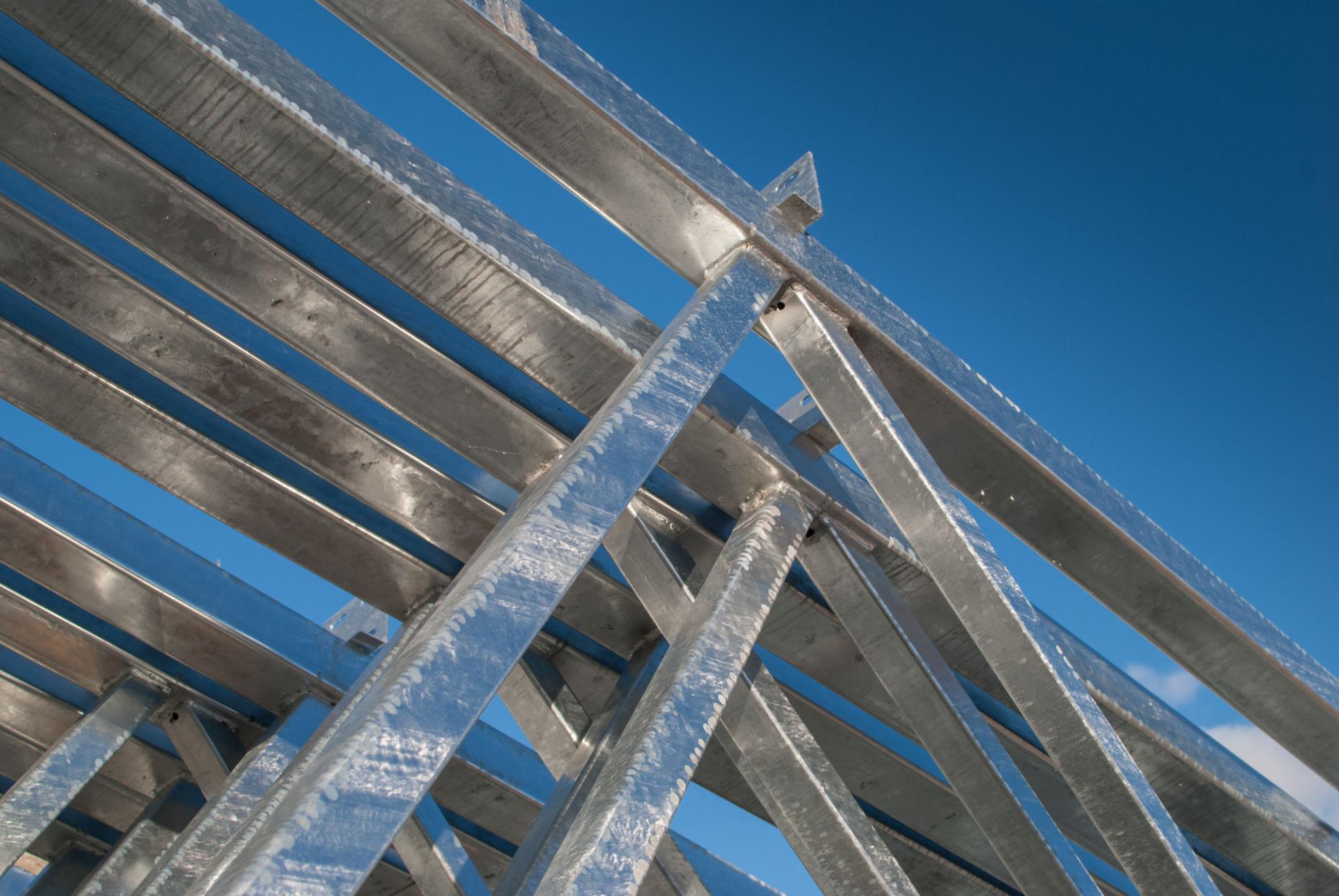
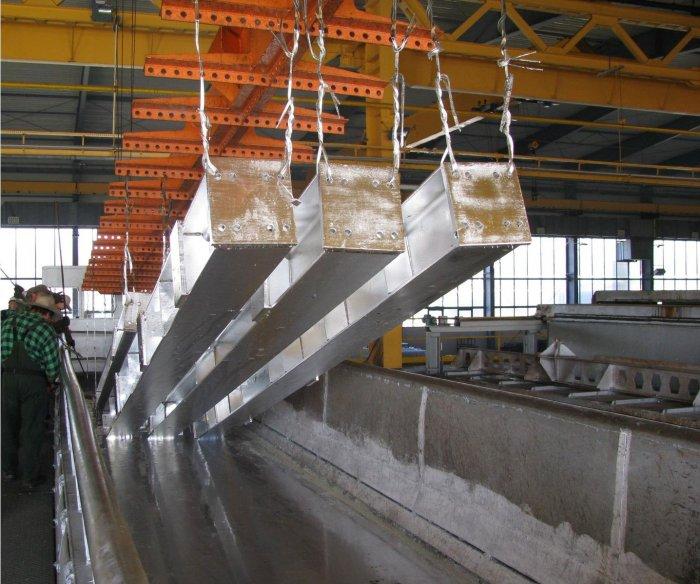
Hot-dip galvanizing protects steel by immersing it in molten zinc, forming a tough metallurgical bond that provides decades of corrosion protection.
Benefits
- Outstanding corrosion resistance
- Long lifespan
- Minimal maintenance
- Excellent for outdoor use
Applications
- Structural steel
- Transmission towers
- Bridges
- Guardrails
- Agricultural equipment
Typical Cost: $0.50–$2.00 per lb.
6. Sandblasting
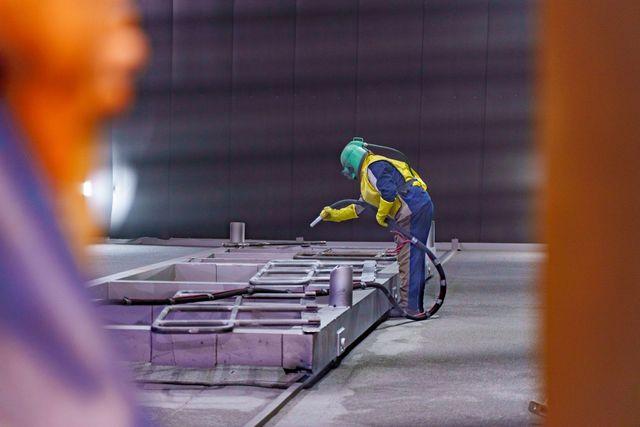
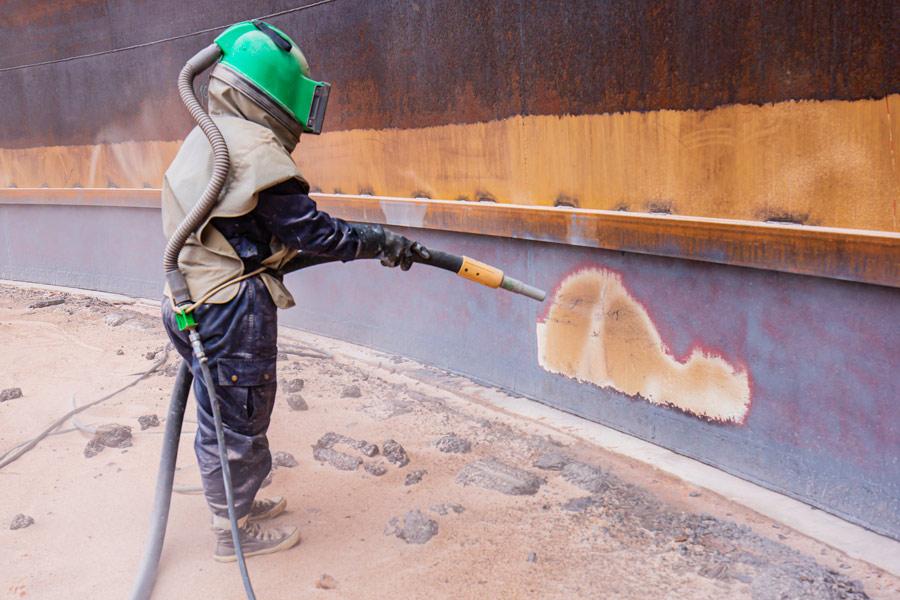
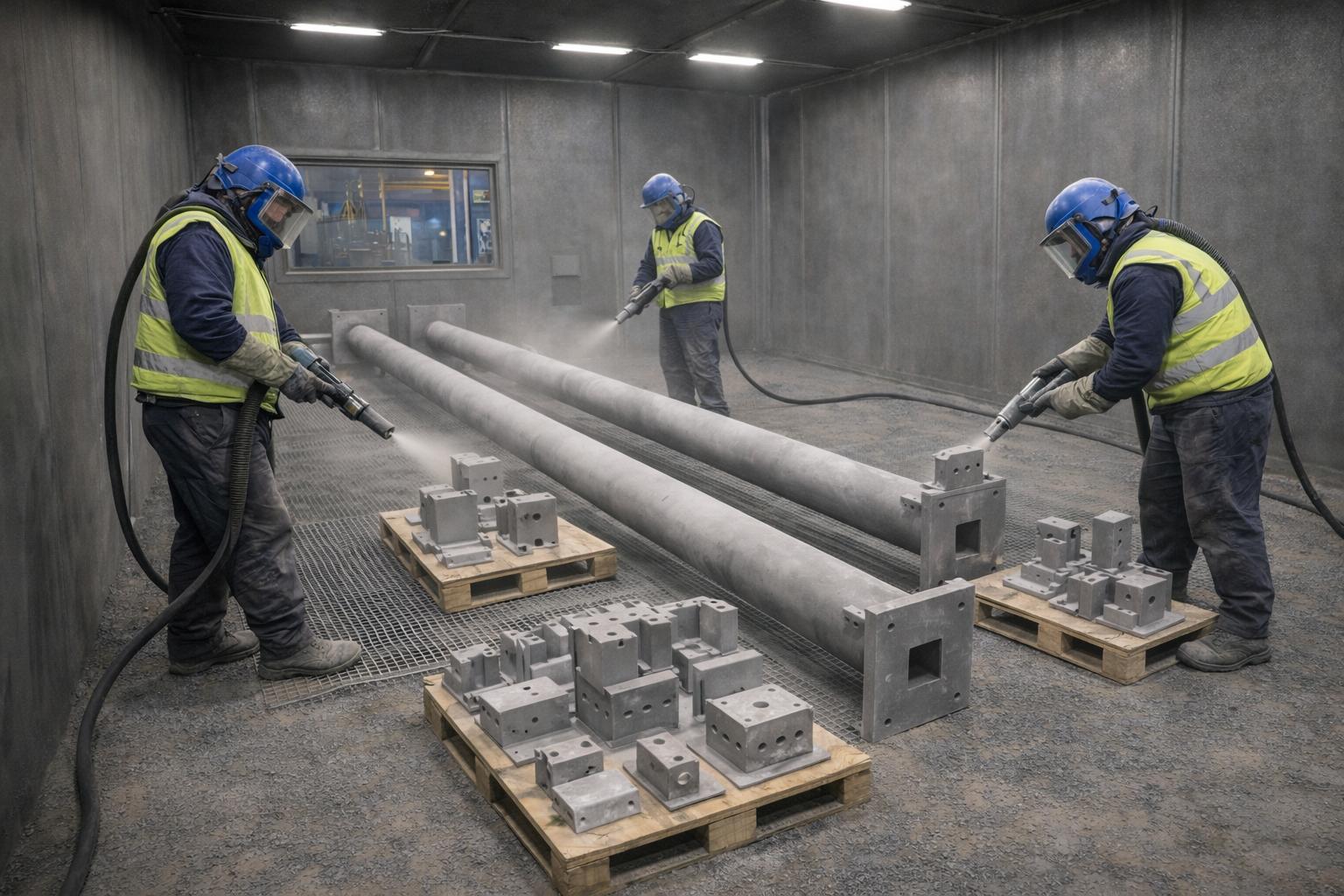
Sandblasting (abrasive blasting) cleans metal surfaces by propelling abrasive media at high speed. It removes rust, paint, scale, and contaminants while preparing the surface for coatings or paint.
Benefits
- Excellent surface preparation
- Removes rust and mill scale
- Improves coating adhesion
- Fast and effective cleaning
Applications
- Structural steel
- Fabricated components
- Automotive restoration
- Marine fabrication
Typical Cost: $2.00–$4.00 per sq. ft.
Metal Finishing Cost Comparison
| Process | Typical Cost |
|---|---|
| Anodizing | $0.50–$1.50 / sq. ft. |
| Powder Coating | $4.00–$10.00 / sq. ft. |
| Nickel Plating | $2.00–$5.00 / sq. ft. |
| Chrome Plating | $3.00–$10.00 / sq. ft. |
| Electropolishing | $1.00–$3.00 / sq. ft. |
| Hot-Dip Galvanizing | $0.50–$2.00 / lb. |
| Sandblasting | $2.00–$4.00 / sq. ft. |
Note: Pricing varies depending on part size, material, complexity, quantity, and regional labour costs.
Choosing the Right Finish
The best metal finishing method depends on:
- The base material (steel, aluminium, stainless steel, etc.)
- Indoor or outdoor use
- Required corrosion resistance
- Desired appearance
- Budget
- Expected lifespan
While powder coating offers excellent colour and durability, galvanizing provides unmatched outdoor protection. Electropolishing is ideal for stainless steel in hygienic environments, whereas anodizing remains the preferred choice for aluminium components.
Conclusion
Metal finishing is an essential investment in the longevity, functionality, and appearance of fabricated products. Selecting the right process not only improves corrosion and wear resistance but also enhances product value and reduces long-term maintenance costs.
Before choosing a finishing method, compare quotations from reputable finishing specialists and consider the intended application, environmental conditions, and total lifecycle cost—not just the initial price. A high-quality finish will ensure your fabricated components perform reliably for years while maintaining a professional appearance.
 No products in the cart.