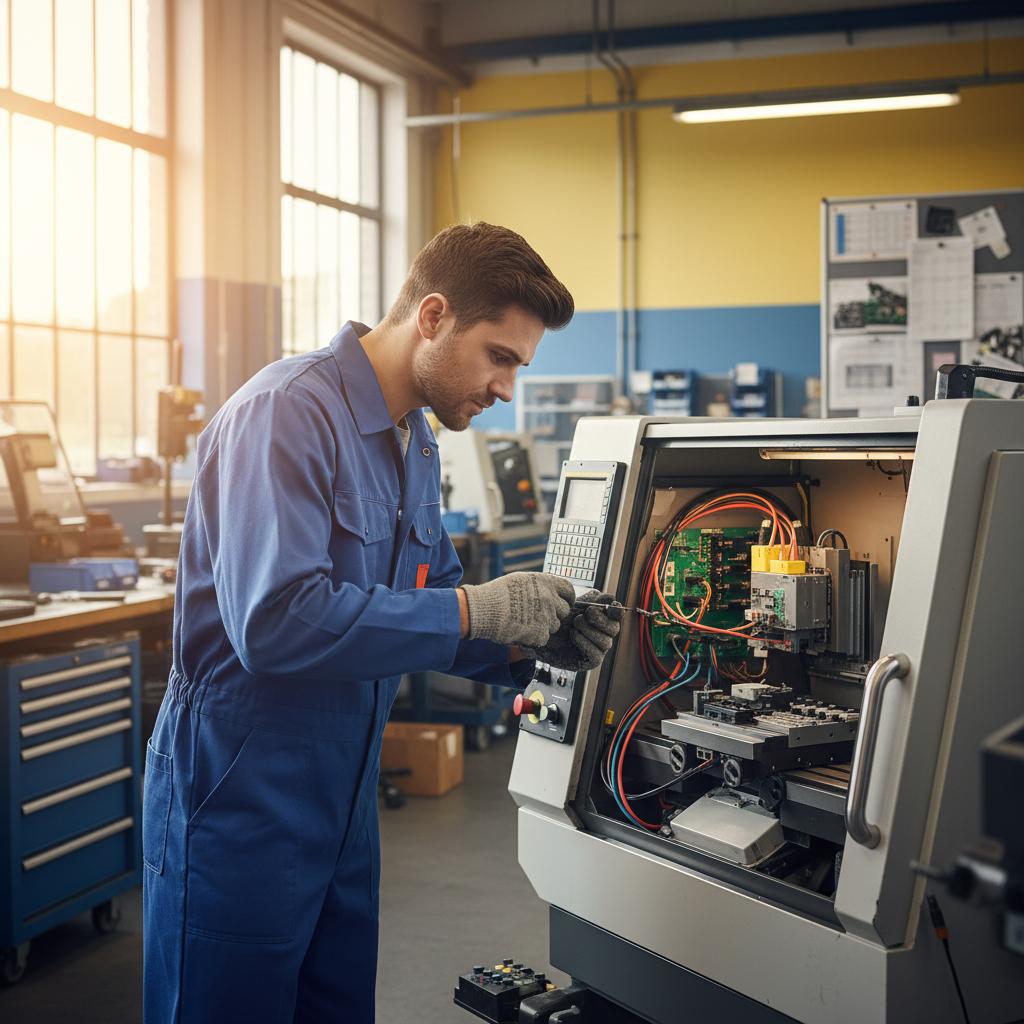
In every manufacturing workshop, whether it’s a small fabrication shop or a large industrial facility, machines are the backbone of production. CNC plasma cutters, laser cutters, press brakes, welding machines, compressors, and other equipment work tirelessly to keep customer orders moving. However, without regular maintenance, even the most reliable machines will eventually fail.
Unexpected breakdowns are more than just an inconvenience—they can result in lost production, missed deadlines, expensive repairs, and unhappy customers. Preventive maintenance is one of the smartest investments any workshop can make to ensure smooth operations and long-term profitability.
The Real Cost of Machine Breakdowns
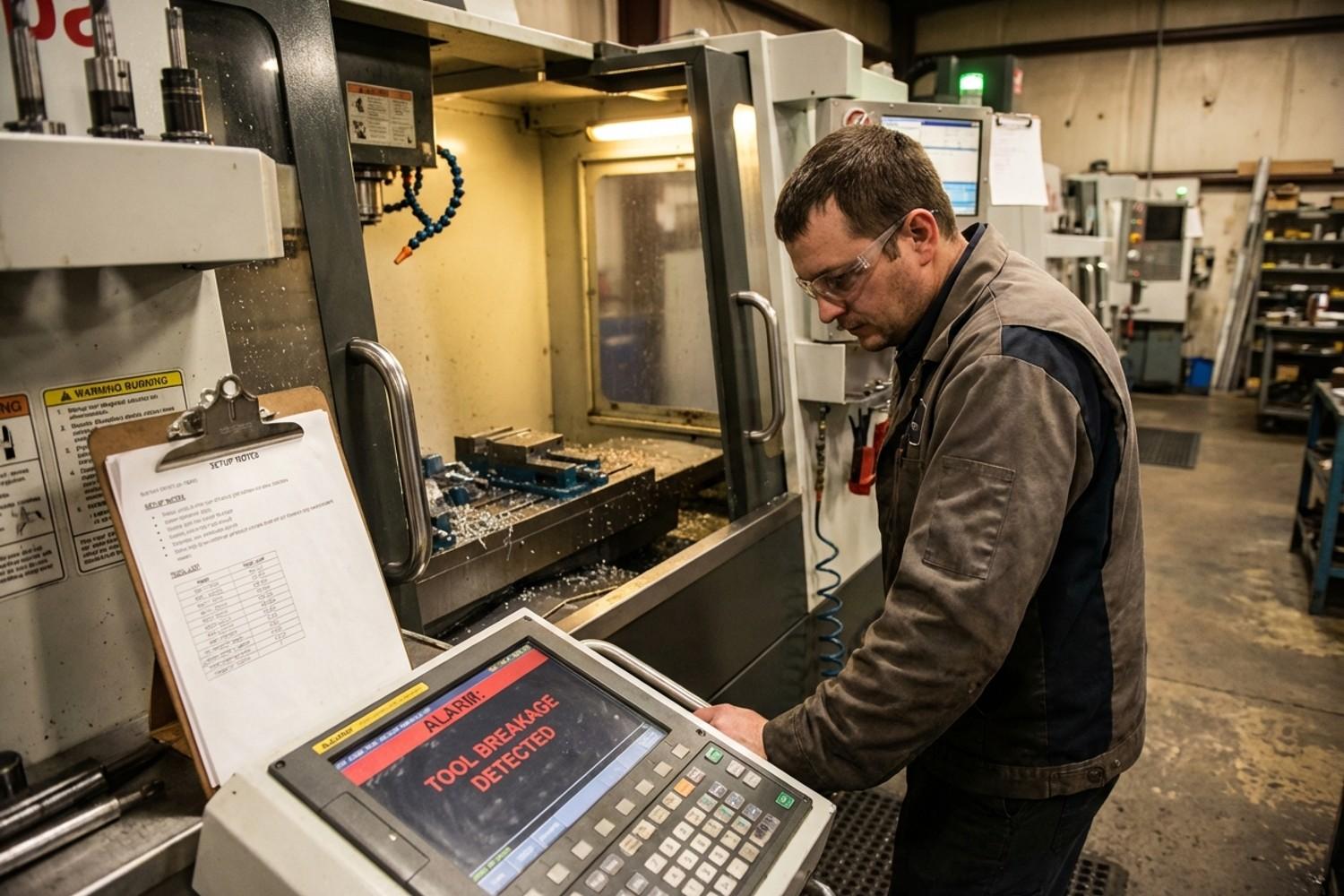
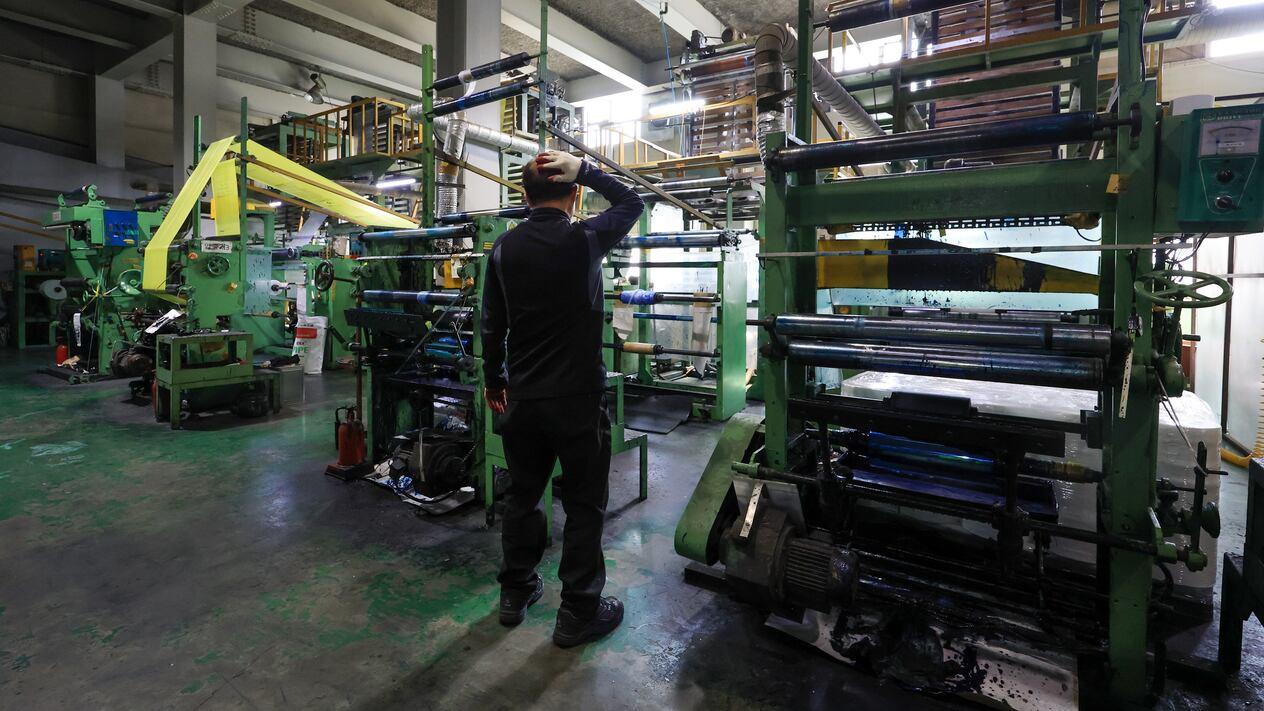
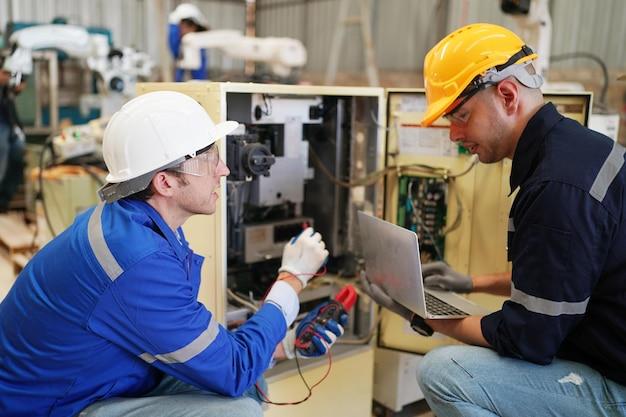
Many workshop owners only appreciate the value of maintenance after a machine has stopped working. The true cost of a breakdown extends far beyond replacing a damaged component.
Machine failures can lead to:
- Lost production hours
- Missed customer deadlines
- Costly emergency repairs
- Increased labour costs
- Wasted materials
- Reduced employee productivity
- Damage to your company’s reputation
A single day of downtime on a busy CNC plasma cutter or laser machine can cost far more than months of scheduled maintenance.
Preventive Maintenance Saves Money
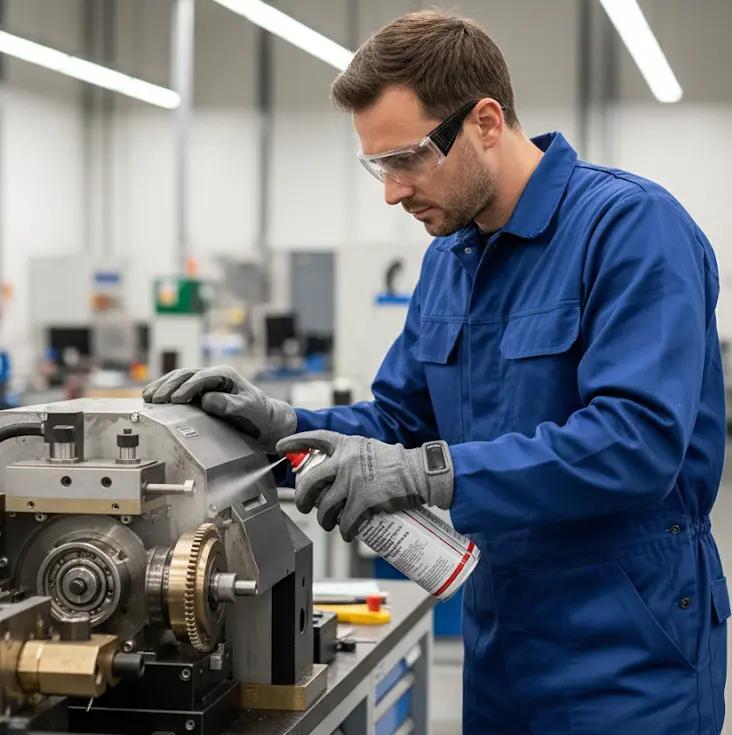
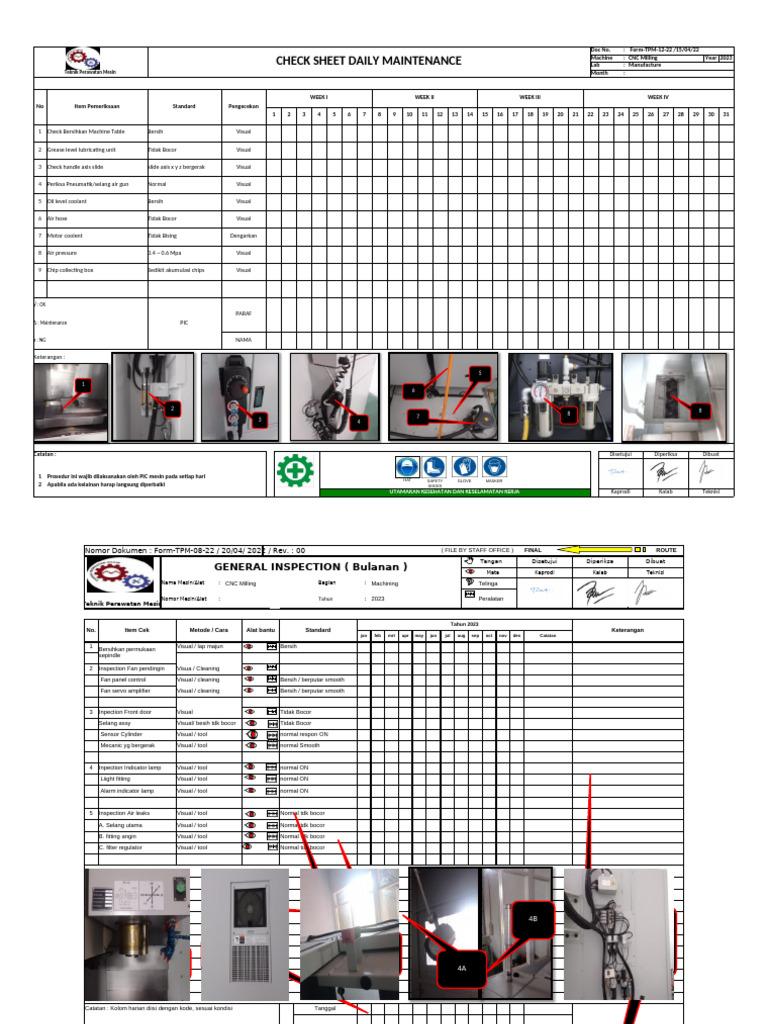

Preventive maintenance involves regularly inspecting, cleaning, lubricating, and servicing equipment before problems occur.
Rather than waiting for parts to fail, workshop owners can replace worn components during scheduled maintenance, avoiding unexpected production stoppages.
Benefits include:
- Longer machine lifespan
- Reduced repair costs
- Better machine performance
- Improved production quality
- Lower operating expenses
- Greater equipment reliability
Replacing a worn bearing or belt during routine servicing is significantly less expensive than repairing extensive damage caused by complete failure.
Improved Workshop Safety


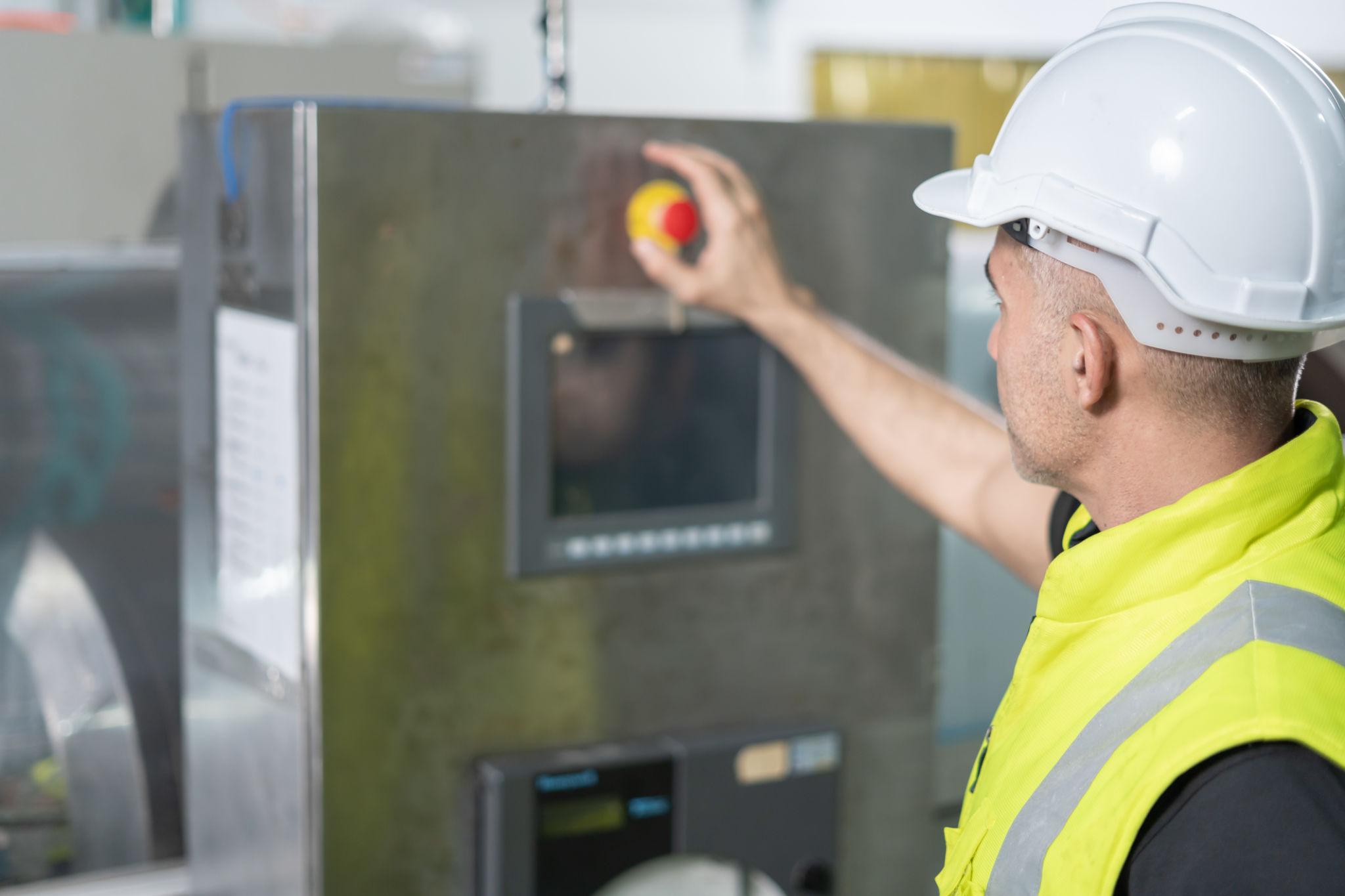
Poorly maintained equipment poses serious safety risks.
Common hazards include:
- Loose moving parts
- Damaged electrical wiring
- Hydraulic leaks
- Worn safety guards
- Faulty emergency stop switches
Routine maintenance identifies these issues before they become dangerous, helping to protect both employees and equipment.
Increased Productivity
Reliable machines keep production moving.
When equipment operates efficiently:
- Jobs are completed on schedule.
- Employees spend less time waiting for repairs.
- Production planning becomes easier.
- Customer satisfaction improves.
Consistent machine availability allows workshops to maximise production capacity throughout the year.
Better Product Quality
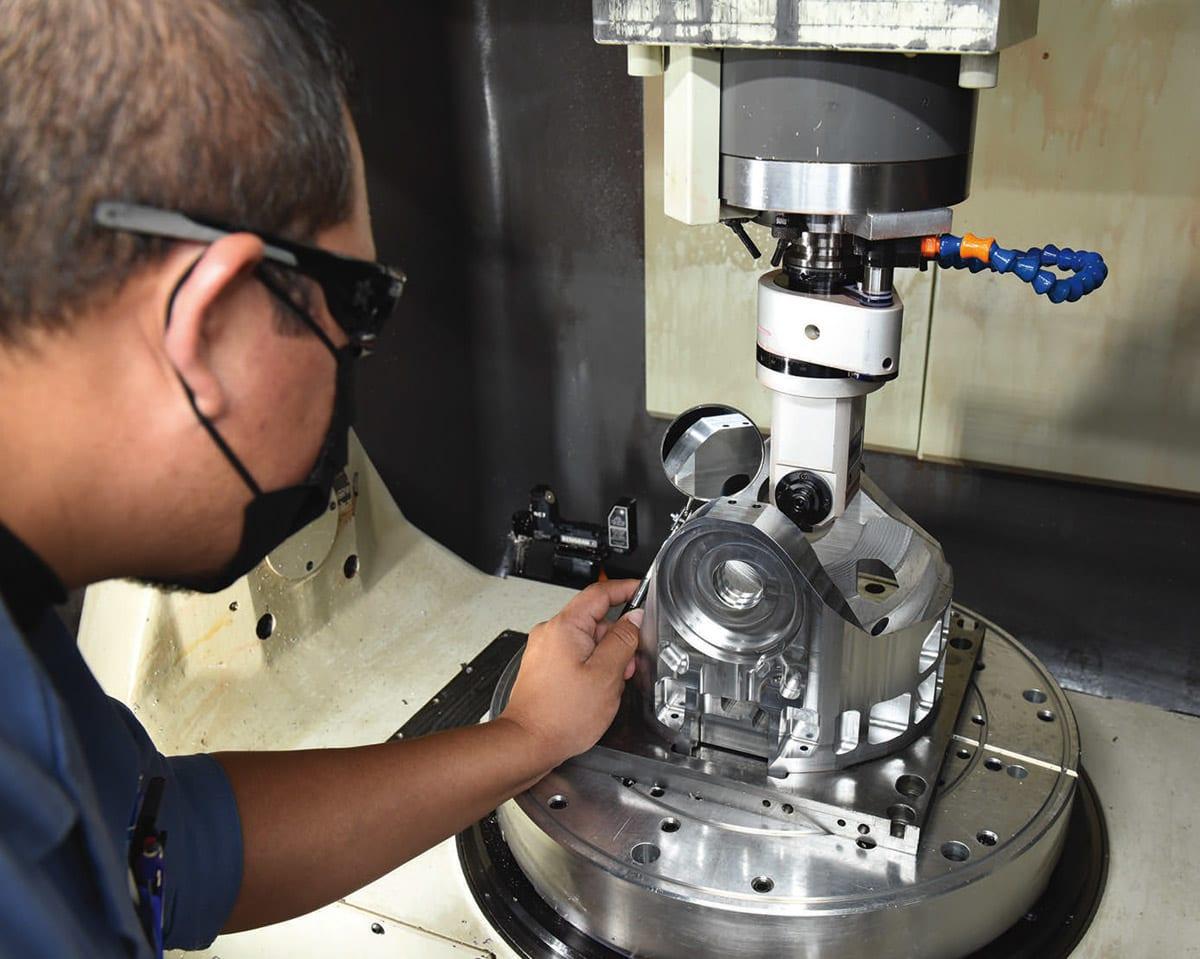
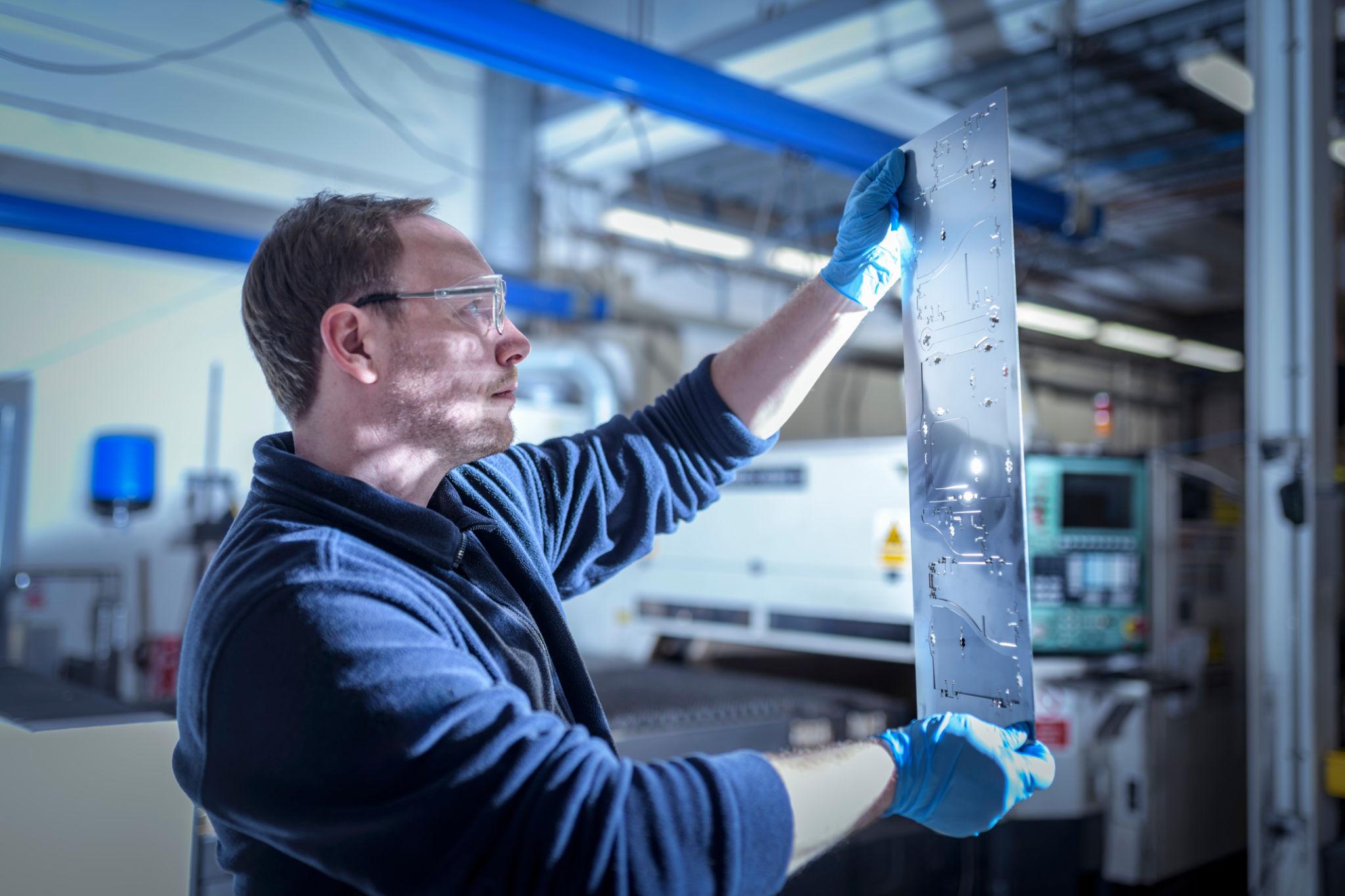
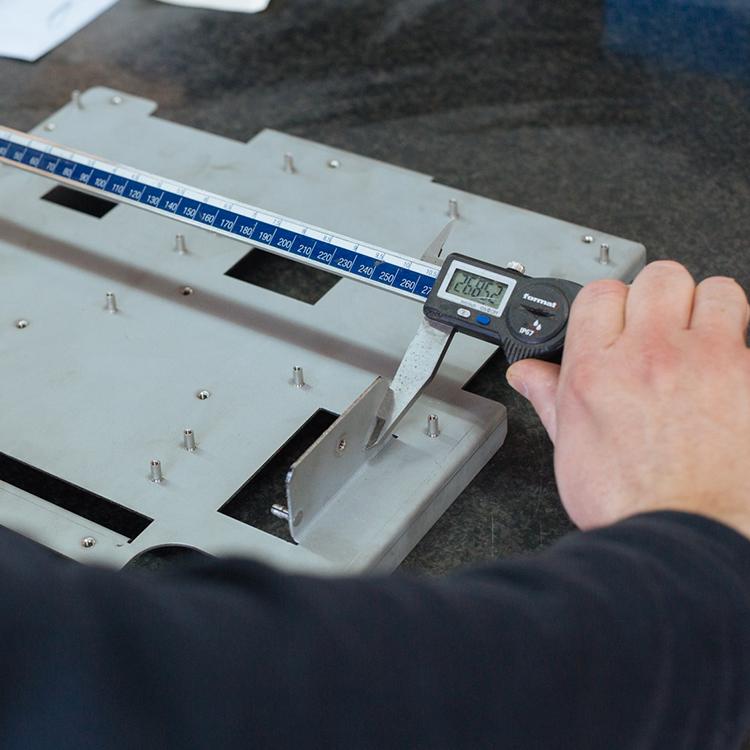
Machines that are out of calibration often produce inaccurate parts.
This can result in:
- Incorrect dimensions
- Poor weld fit-up
- Rough cutting edges
- Assembly problems
- Increased material waste
Routine calibration ensures every component meets the required specifications, reducing costly rework and scrap.
Essential Maintenance Schedule
A structured maintenance programme keeps equipment operating at peak performance.
Daily
- Clean machines after each shift
- Remove metal chips, dust, and debris
- Check coolant and lubricant levels
- Listen for unusual noises
- Inspect safety guards
Weekly
- Lubricate moving components
- Tighten loose bolts
- Inspect belts and chains
- Check air and hydraulic systems
- Clean filters
Monthly
- Inspect bearings
- Check machine alignment
- Replace worn consumables
- Test emergency stop functions
- Clean cooling systems
Annually
- Complete machine inspection
- Replace worn mechanical parts
- Recalibrate CNC equipment
- Inspect electrical panels
- Update control software where applicable
Don’t Ignore Warning Signs
Most major failures begin with small symptoms.
Watch for:
- Unusual vibration
- Excessive heat
- Oil or air leaks
- Strange noises
- Declining cutting quality
- Frequent machine alarms
- Slower operating speeds
- Higher power consumption
Early intervention often prevents expensive repairs.
Train Your Operators
Operators are the first line of defence against machine failure.
Ensure every operator knows how to:
- Perform daily inspections
- Clean equipment correctly
- Recognise abnormal machine behaviour
- Report faults immediately
- Follow safe operating procedures
A well-trained team helps identify issues before they become major problems.
Keep Spare Parts Available
Waiting several days for replacement parts can bring production to a complete stop.
Every workshop should keep commonly used spare parts in stock, including:
- Bearings
- Belts
- Filters
- Sensors
- Nozzles
- Electrodes
- Hydraulic seals
- Fuses
- Lubricants
Having these items readily available significantly reduces downtime.
Maintain Service Records
Keeping accurate maintenance records helps identify recurring issues and plan future servicing.
Track:
- Maintenance dates
- Machine operating hours
- Parts replaced
- Repair history
- Calibration records
- Technician notes
Maintenance logs make it easier to predict future servicing needs and improve equipment reliability.
Maintenance Is an Investment
Many businesses see maintenance as an expense, but it is actually one of the most profitable investments a workshop can make.
Regular servicing:
- Reduces breakdowns
- Extends machine life
- Improves product quality
- Lowers repair costs
- Enhances workplace safety
- Increases profitability
Every hour spent on preventive maintenance can save many hours of costly downtime later.
Final Thoughts
Whether your workshop specialises in CNC plasma cutting, laser cutting, welding, fabrication, machining, or woodworking, a proactive maintenance programme is essential for long-term success.
Well-maintained machines produce better-quality work, operate more safely, and allow businesses to deliver projects on time while keeping operating costs under control.
Remember: The cheapest repair is the one you never have to make. Investing in regular maintenance today prevents costly breakdowns tomorrow.
 No products in the cart.