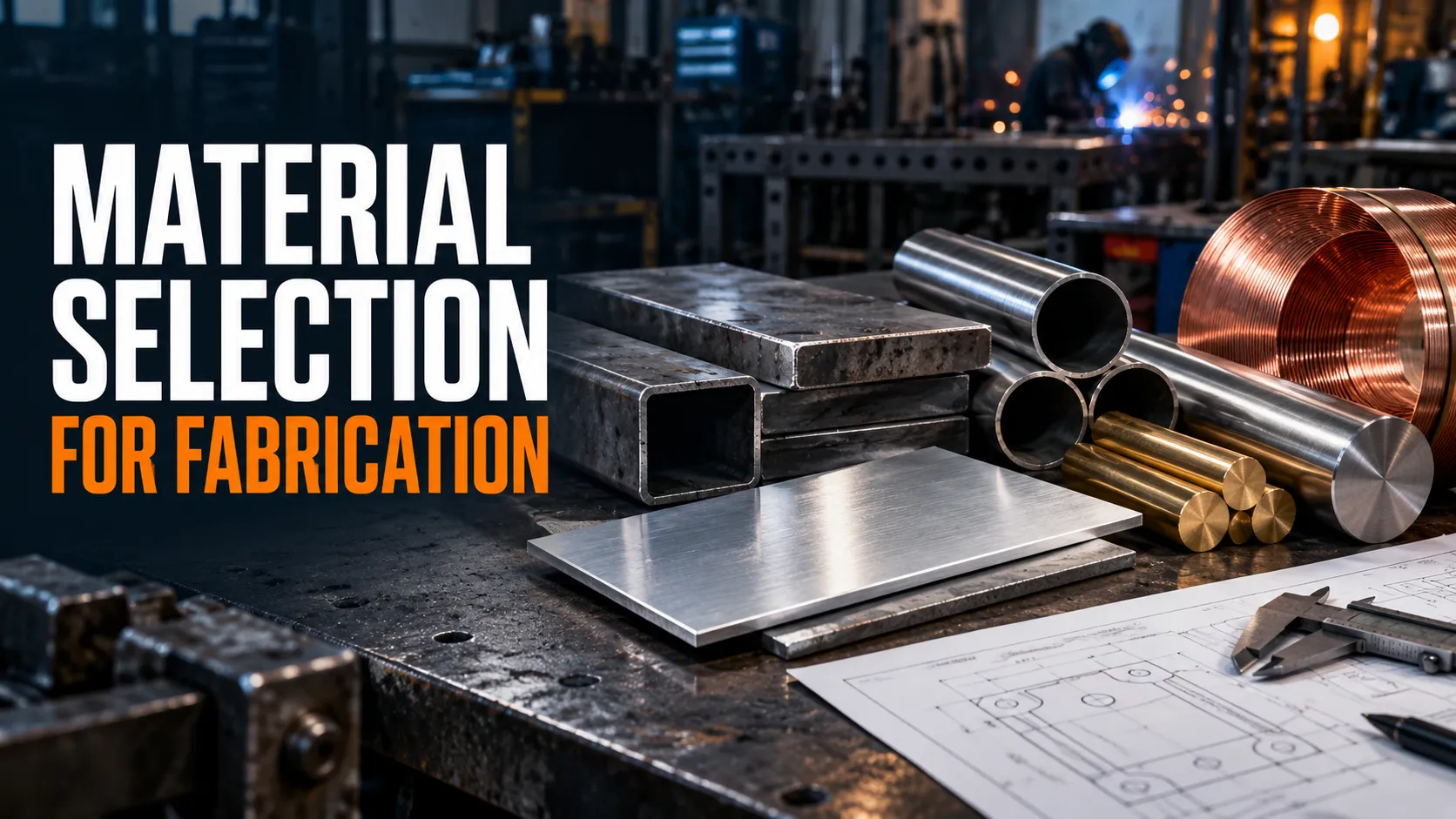
When planning any engineering, fabrication, or manufacturing project, one decision has a greater impact than almost every other—the selection of the right material. Whether you’re manufacturing a simple phone stand, fabricating structural steel, designing machinery, or building industrial equipment, material selection influences every stage of the project, from cost estimation and production to product performance and long-term durability.
Choosing the wrong material can lead to production delays, excessive costs, premature failures, safety risks, and dissatisfied customers. On the other hand, selecting the right material improves efficiency, extends product life, and reduces maintenance costs.
Let’s explore why material selection is one of the most important steps in project management and production.
Why Material Selection Matters
Every material has unique mechanical, chemical, and physical properties. These properties determine how a product behaves during manufacturing and throughout its service life.
Proper material selection helps to:
- Increase product lifespan
- Improve safety and reliability
- Reduce manufacturing costs
- Simplify fabrication processes
- Minimize maintenance
- Improve customer satisfaction
- Meet engineering standards and regulations
Material selection is not simply about choosing the strongest material—it is about selecting the most suitable material for the intended application.
Factors Affecting Material Selection
1. Mechanical Properties
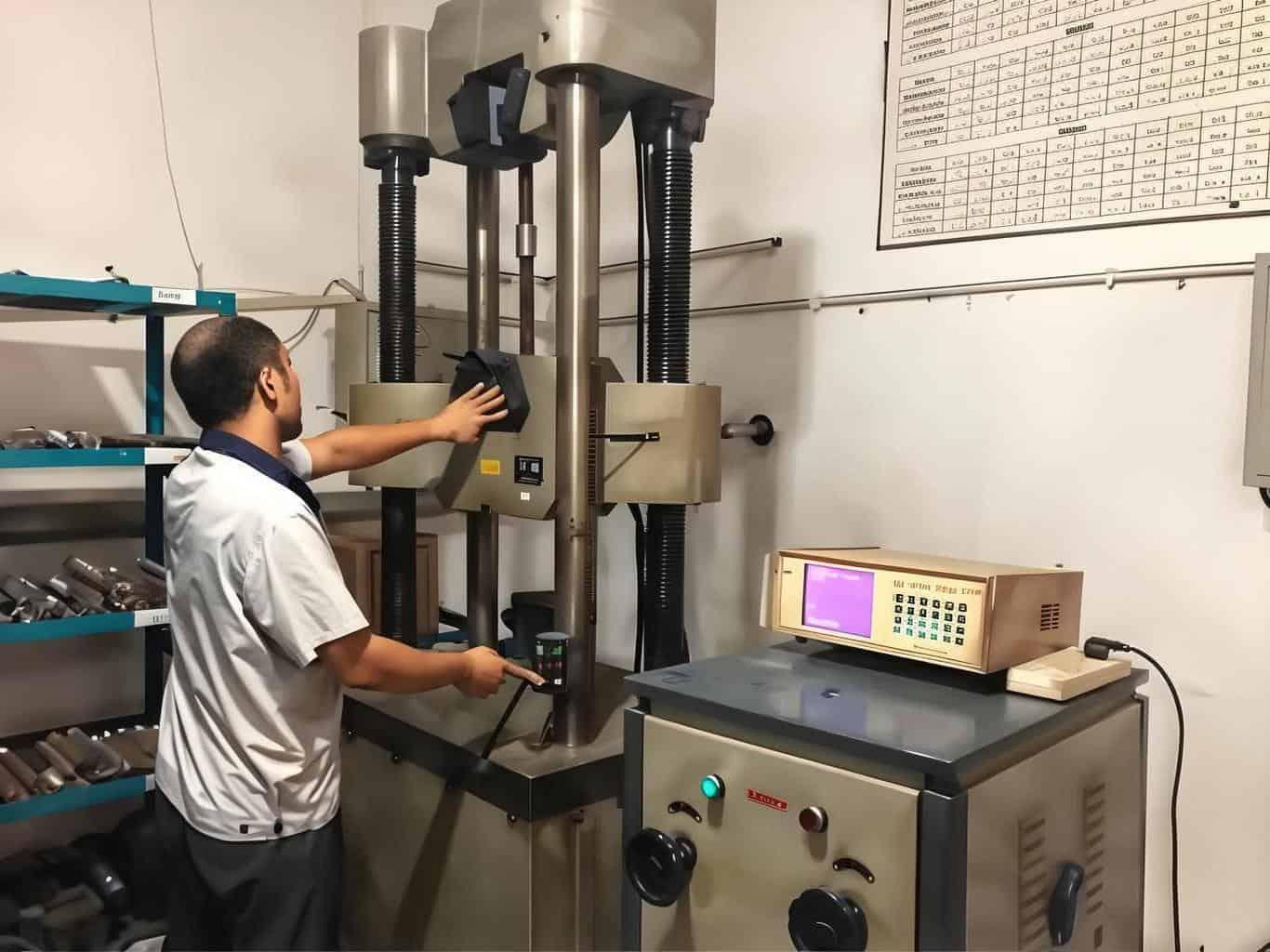
Mechanical properties determine how a material behaves under different types of loading.
Important properties include:
Strength
The material must withstand the expected loads without failure.
Examples:
- Structural beams require high tensile strength.
- Storage racks require good load-bearing capacity.
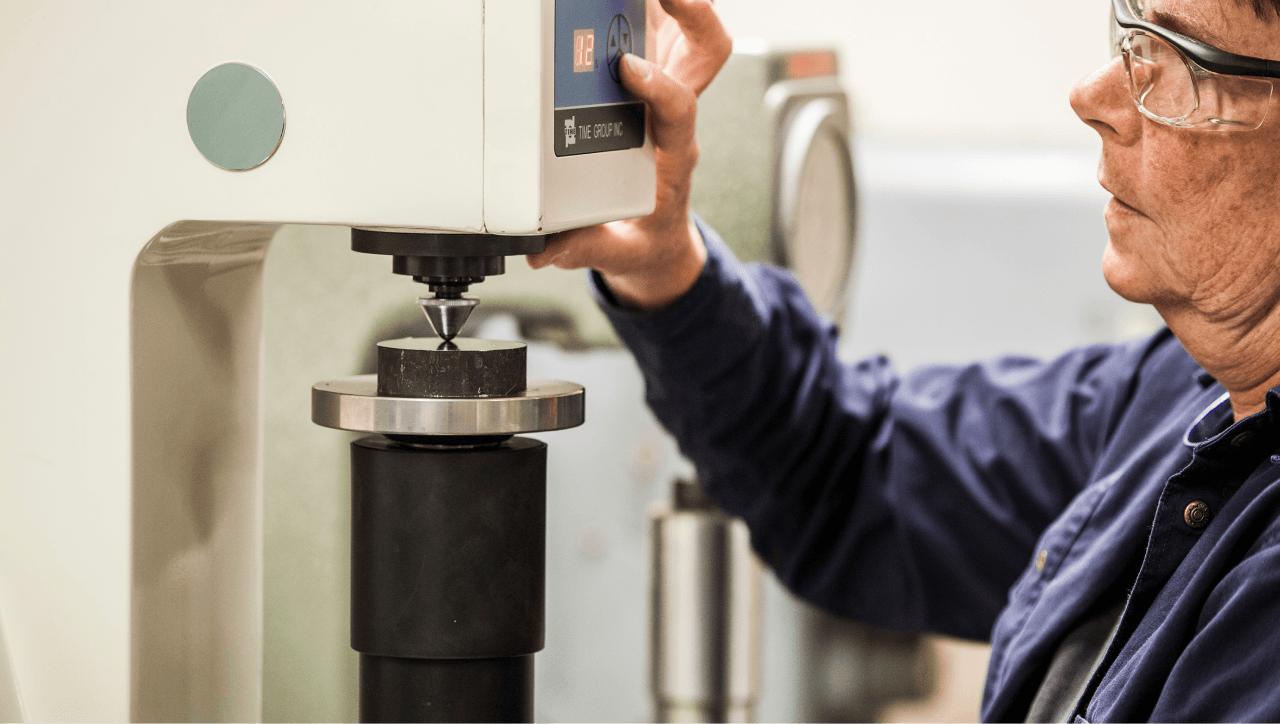
Hardness
Hardness determines resistance to wear, scratching, and indentation.
Applications include:
- Cutting tools
- Gears
- Machine components
Toughness
Toughness is the ability to absorb impact energy without fracturing.
Essential for:
- Heavy machinery
- Mining equipment
- Vehicle components
Ductility
Ductility allows materials to bend without cracking.
Critical for:
- Sheet metal fabrication
- Pipe manufacturing
- Press brake bending
Fatigue Resistance
Some components experience repeated loading.
Examples:
- Bridges
- Cranes
- Rotating machinery
- Vehicle suspensions
Poor fatigue resistance often results in unexpected failures.
2. Corrosion Resistance
Environmental conditions greatly influence material performance.
Consider:
- Humidity
- Saltwater exposure
- Industrial chemicals
- Food processing environments
- Outdoor weather
Examples:
| Environment | Recommended Material |
|---|---|
| Indoor dry areas | Mild Steel |
| Marine environments | Stainless Steel 316 |
| Food industry | Stainless Steel 304 |
| Chemical plants | Stainless Steel or specialized alloys |
| Outdoor structures | Galvanized Steel or Corten Steel |
3. Weight Requirements
Weight affects:
- Transportation costs
- Fuel consumption
- Installation
- Structural loading
Examples:
- Aluminum is preferred for lightweight structures.
- Steel is selected where strength is the priority.
4. Manufacturing Process
Different materials respond differently to manufacturing operations.
Consider compatibility with:
- Laser cutting
- Plasma cutting
- Waterjet cutting
- CNC machining
- Welding
- Press brake bending
- Rolling
- Drilling
Some stainless steels require specialized tooling, while aluminum may need different welding techniques than mild steel.
5. Cost
Cost involves more than just purchasing raw materials.
Engineers consider:
- Material price
- Machining costs
- Welding costs
- Surface finishing
- Maintenance
- Transportation
- Product lifespan
A material with a higher initial cost may deliver lower lifetime costs due to reduced maintenance and longer service life.
6. Availability
A technically ideal material may not be practical if it:
- Has long delivery times
- Is difficult to source
- Has inconsistent quality
- Is only available from limited suppliers
Reliable supply chains help keep projects on schedule.
7. Weldability
Since many fabricated products involve welding, weldability is essential.
Poor weldability can cause:
- Cracking
- Distortion
- Weak joints
- Increased fabrication costs
Low-carbon mild steel is generally one of the easiest materials to weld, while some high-strength steels and aluminum alloys require more specialized welding procedures.
8. Machinability
Machinability affects production time and tooling costs.
Good machinability provides:
- Faster production
- Better surface finish
- Lower tool wear
- Reduced manufacturing costs
9. Surface Finish Requirements
Finished appearance is important for many products.
Possible finishes include:
- Powder coating
- Painting
- Polishing
- Brushed finish
- Galvanizing
- Anodizing
- Chrome plating
The selected material should support the desired finish.
10. Thermal Properties
Heat resistance is essential for products exposed to high temperatures.
Examples include:
- Furnaces
- Exhaust systems
- Boilers
- Industrial ovens
Important considerations include:
- Thermal expansion
- Heat conductivity
- Heat resistance
11. Electrical Properties
Electrical conductivity determines whether materials are suitable for:
- Electrical enclosures
- Busbars
- Power distribution
- Electronic equipment
Examples:
- Copper offers excellent conductivity.
- Aluminum is lightweight and conductive.
- Stainless steel is relatively poor for electrical conductivity but excels in corrosion resistance.
12. Safety and Standards Compliance
Many industries require compliance with engineering standards.
Examples include:
- Building construction
- Pressure vessels
- Food processing
- Medical equipment
- Oil and gas
Selecting certified materials helps ensure safety, regulatory compliance, and product reliability.
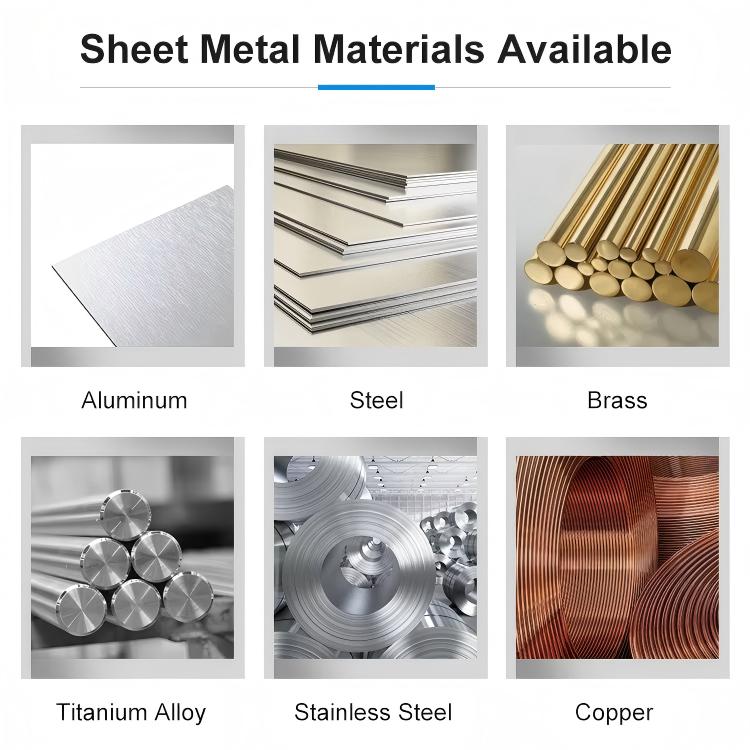
Common Engineering Materials
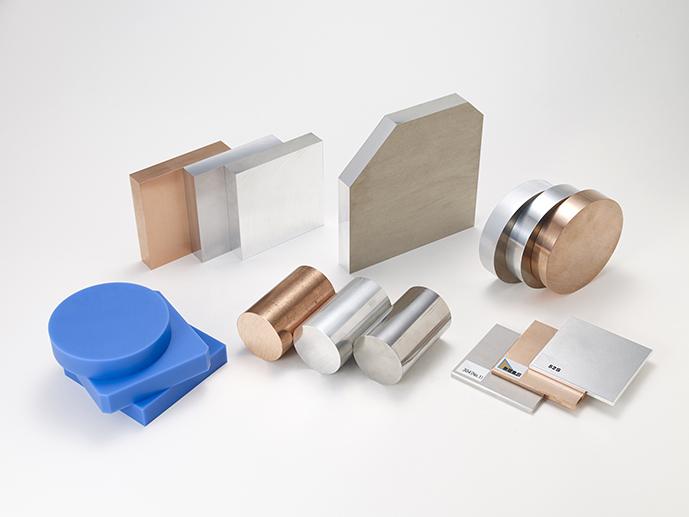
| Material | Advantages | Typical Applications |
|---|---|---|
| Mild Steel | Affordable, strong, easy to weld | General fabrication, structures |
| Stainless Steel | Corrosion resistant, hygienic | Kitchens, food processing, medical equipment |
| Aluminum | Lightweight, corrosion resistant | Aerospace, automotive, architectural products |
| Copper | Excellent electrical conductivity | Electrical systems |
| Brass | Decorative, corrosion resistant | Plumbing fittings, ornamental components |
| Corten Steel | Weather resistant | Outdoor sculptures, facades, landscaping |
Material Selection in Project Management
Material selection influences every stage of a project:
Planning
- Budget estimation
- Supplier selection
- Delivery schedules
Design
- Structural calculations
- Product dimensions
- Safety factors
Production
- Machine selection
- Tooling
- Welding procedures
- Fabrication time
Quality Control
- Material certification
- Inspection
- Mechanical testing
Maintenance
- Repair frequency
- Replacement intervals
- Lifecycle costs
Making informed material choices early in the project reduces costly changes later in production.
Best Practices for Material Selection
- Clearly define the product’s intended use.
- Consider the operating environment.
- Balance strength, weight, and cost.
- Select materials compatible with your manufacturing processes.
- Source materials from reputable suppliers.
- Review applicable industry standards.
- Factor in maintenance and lifecycle costs.
- Prototype and test when possible before full-scale production.
Final Thoughts
Material selection is far more than choosing a type of metal or alloy—it’s a strategic engineering decision that shapes the success of an entire project. From concept and budgeting to fabrication, installation, and long-term performance, every choice has lasting consequences.
By evaluating mechanical properties, environmental conditions, manufacturing methods, cost, availability, and compliance requirements, engineers and fabricators can produce products that are safer, more durable, and more economical over their lifecycle.
For fabrication professionals, investing time in selecting the right material is one of the smartest ways to improve quality, reduce waste, and deliver lasting value to customers.
 No products in the cart.