Introduction
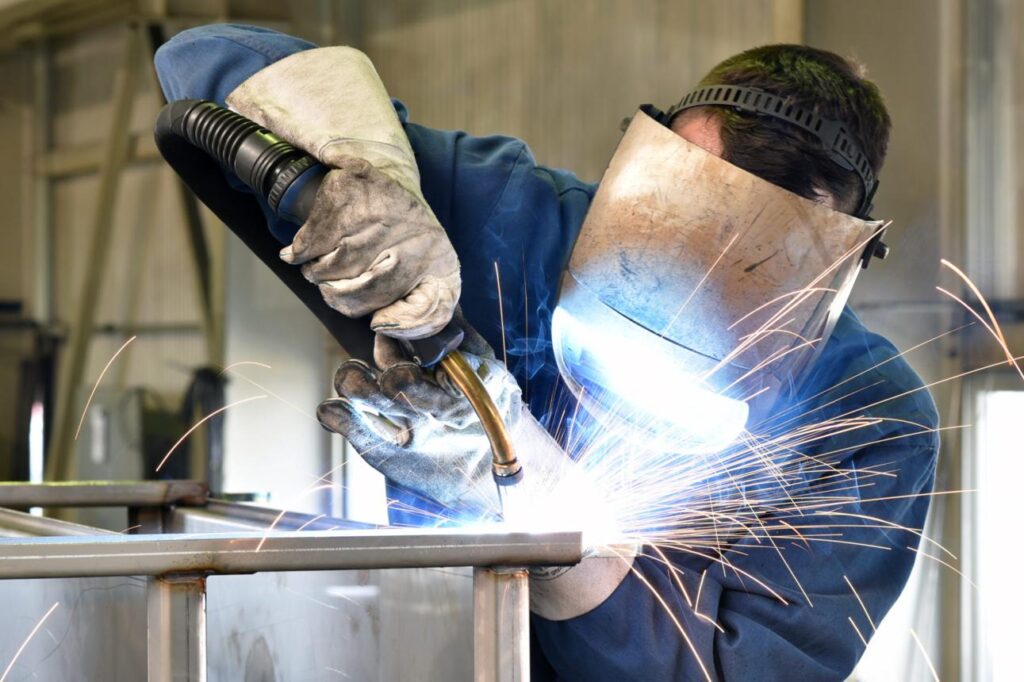
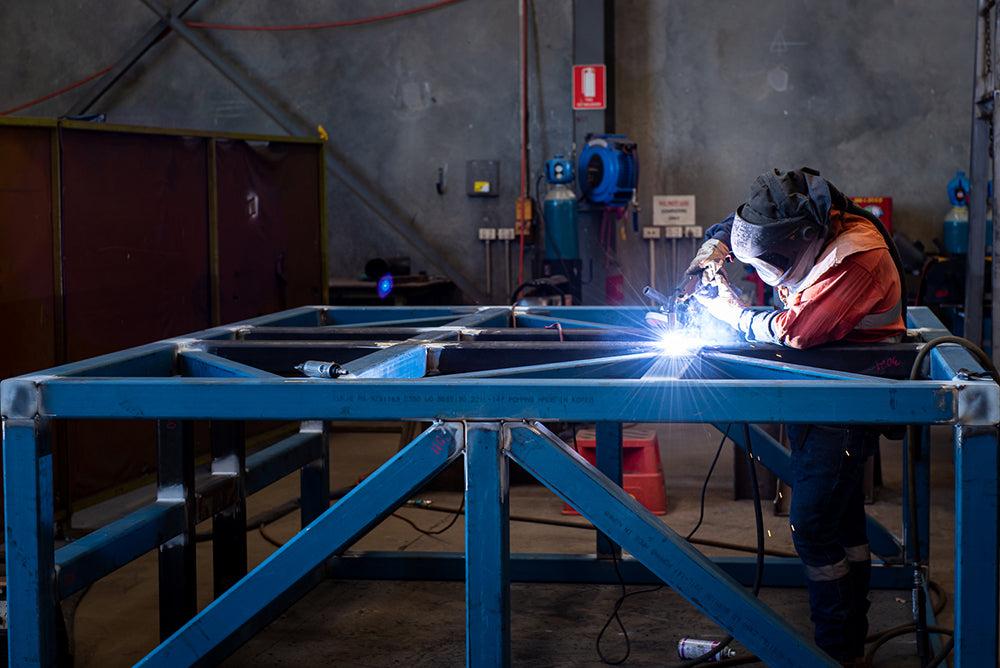
Welding is one of the most critical processes in steel fabrication. Whether constructing a lightweight office desk, a storage rack, a staircase, or a heavy industrial platform, the quality of every weld determines the strength, durability, safety, and lifespan of the finished product.
A poorly executed weld can lead to premature failure, costly repairs, and even catastrophic structural collapse. On the other hand, high-quality welding ensures that fabricated products withstand years of service under varying loads and environmental conditions.
This article explores why welding quality is essential, the common causes of poor welds, and the best practices that fabricators should follow to produce durable light and heavy steel structures.
Why Welding Quality Matters
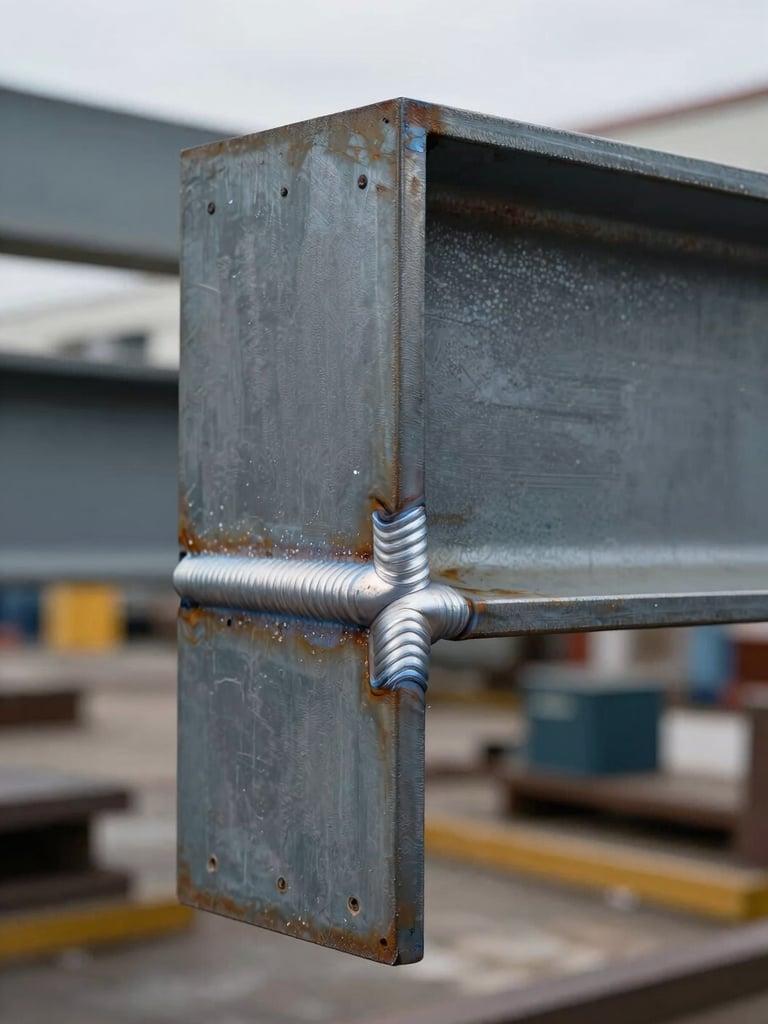
Steel structures rely on welded joints to transfer loads between members. Unlike bolts or rivets, a weld permanently fuses two pieces of metal into one continuous structure.
If the weld is weak, the entire structure becomes weak.
High-quality welding provides:
- Superior structural strength
- Longer service life
- Better resistance to fatigue
- Increased corrosion resistance
- Improved appearance
- Reduced maintenance costs
- Greater safety for users
Whether fabricating a decorative furniture frame or a 20-ton industrial platform, weld integrity is non-negotiable.
Welding in Light Structures
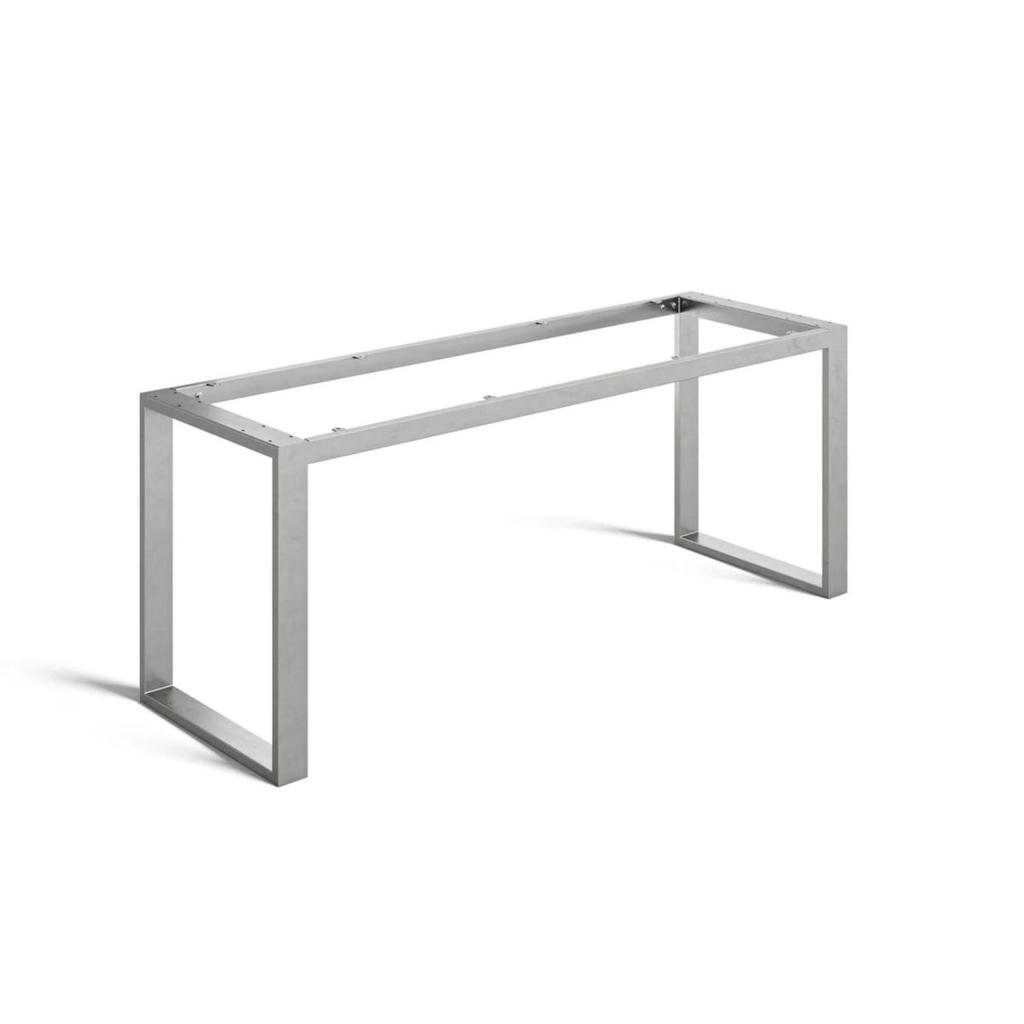
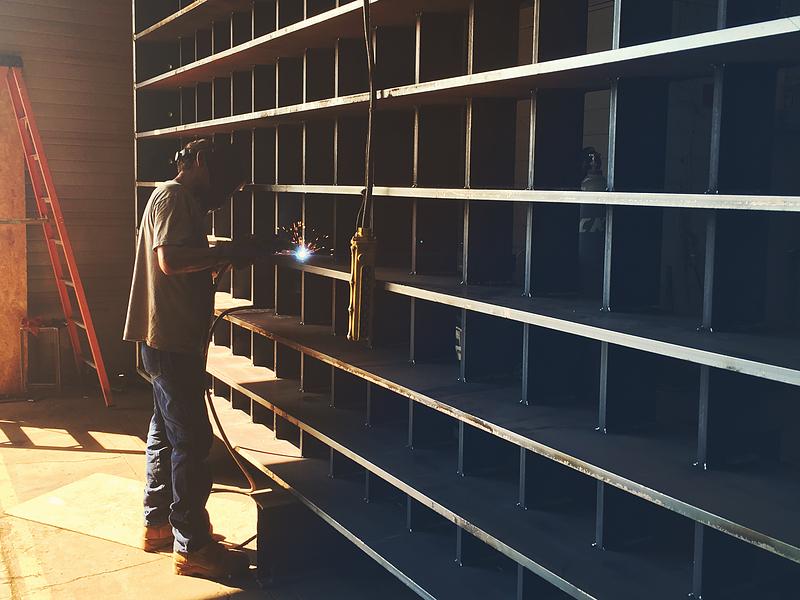
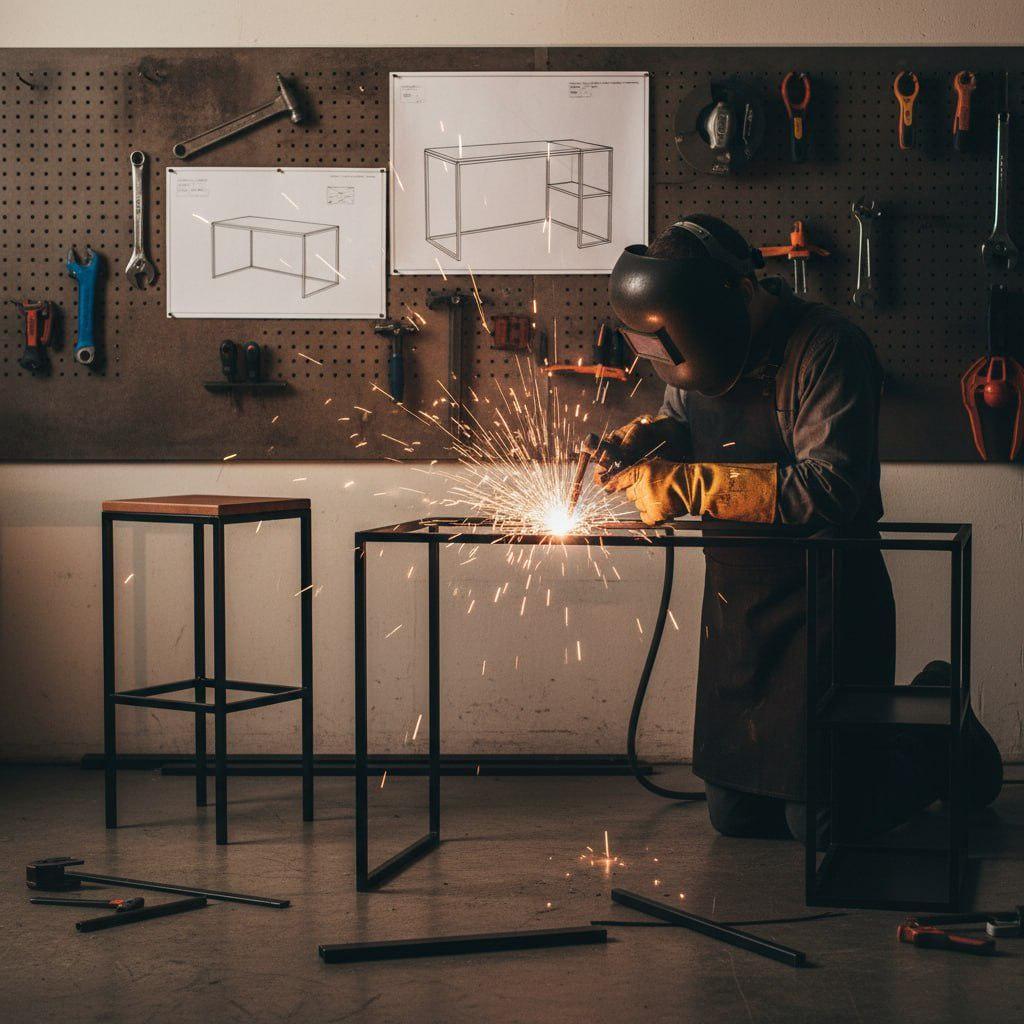
Light structures include products such as:
- Office furniture
- Coffee tables
- Chairs
- Shelving
- Storage cabinets
- Display stands
- Home décor
- Bicycle racks
- Pergolas
Although these structures may not carry extreme loads, poor welds can still cause:
- Frame twisting
- Loose joints
- Cracking after repeated use
- Visible weld defects
- Reduced product lifespan
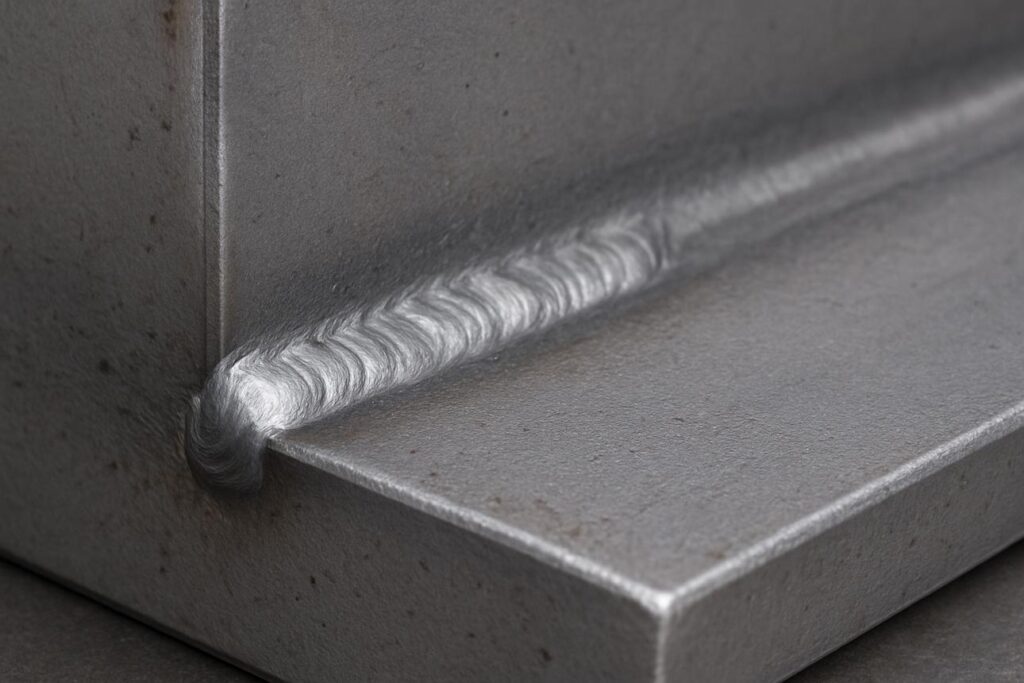
Consumers often judge fabrication quality by the appearance of welds. Clean, consistent welds reflect professional workmanship and increase customer confidence.
Welding in Heavy Structures
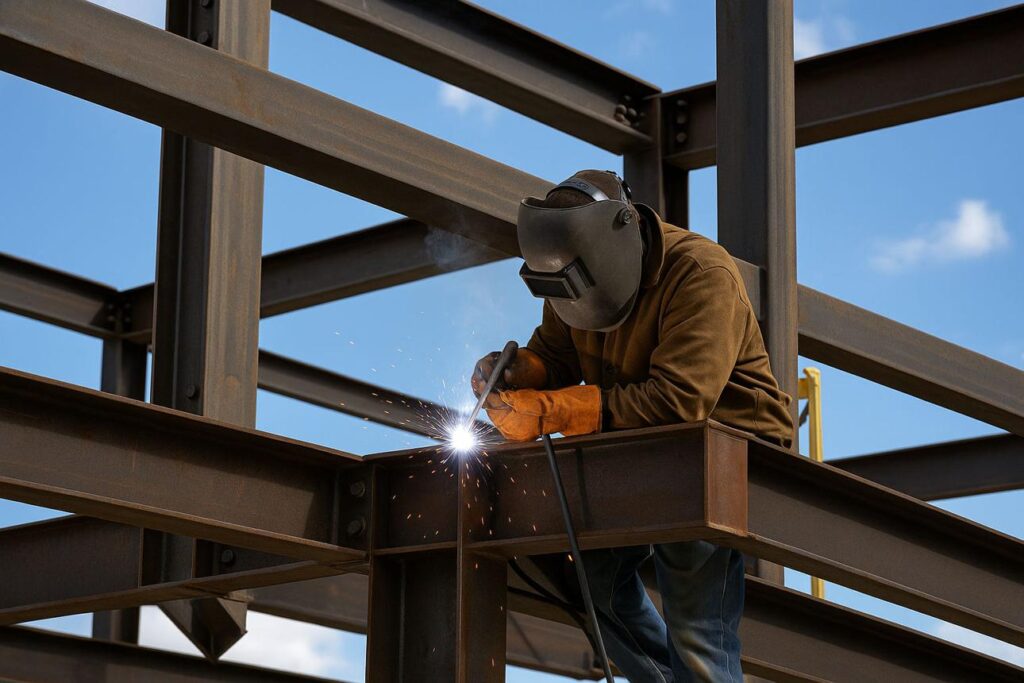
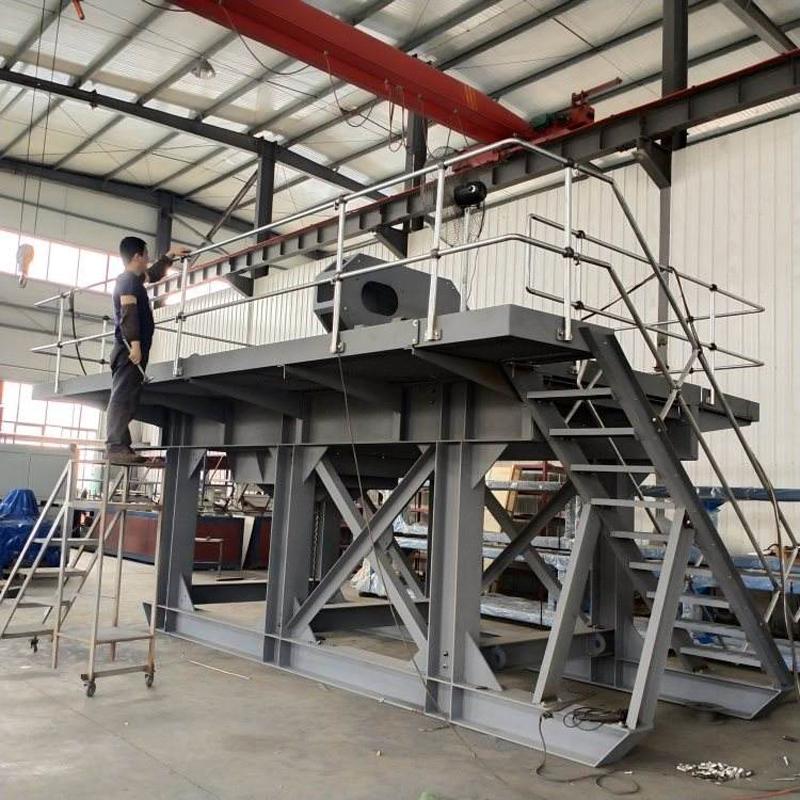
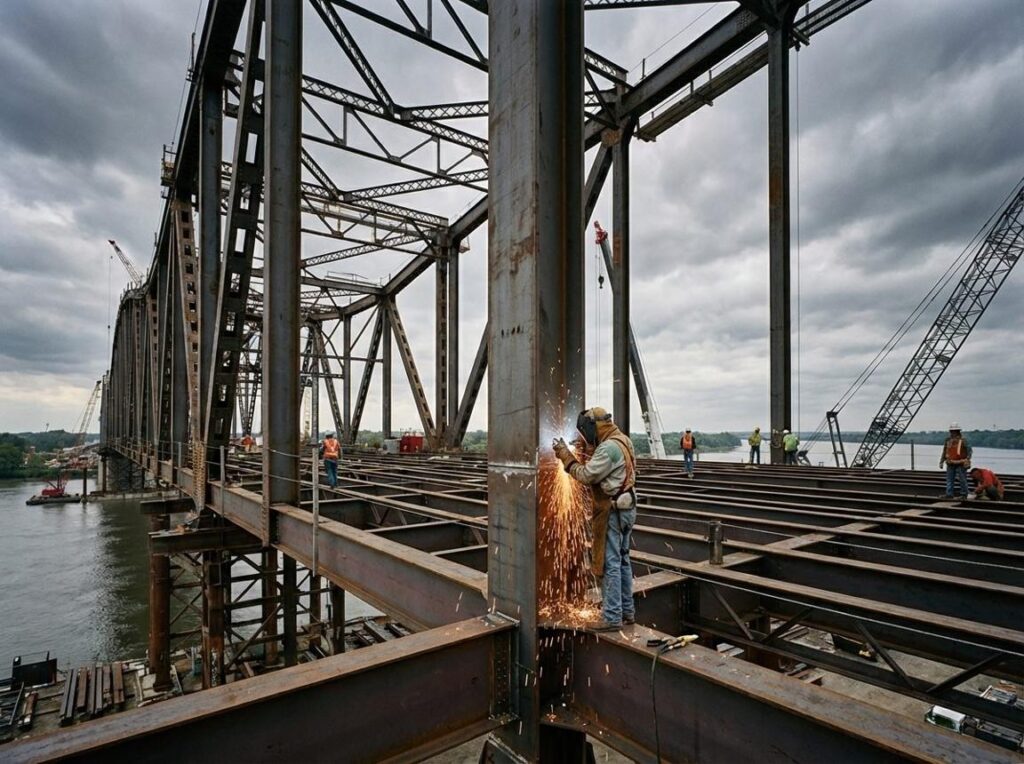
Heavy structural fabrication includes:
- Industrial platforms
- Warehouses
- Steel buildings
- Bridges
- Mining equipment
- Truck trailers
- Agricultural equipment
- Lifting frames
- Machinery bases
- Structural columns
These structures experience enormous static and dynamic loads.
Poor welding can lead to:
- Structural deformation
- Fatigue cracking
- Buckling
- Joint separation
- Equipment failure
- Serious safety hazards
Heavy fabrication often requires qualified welders following approved welding procedures and, in many cases, inspection through non-destructive testing (NDT).
Common Welding Defects
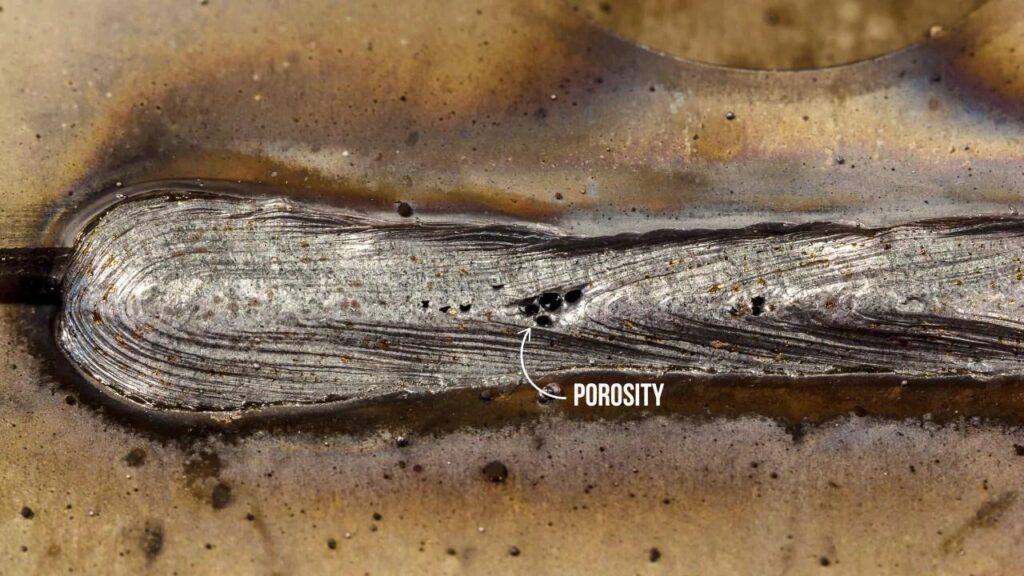
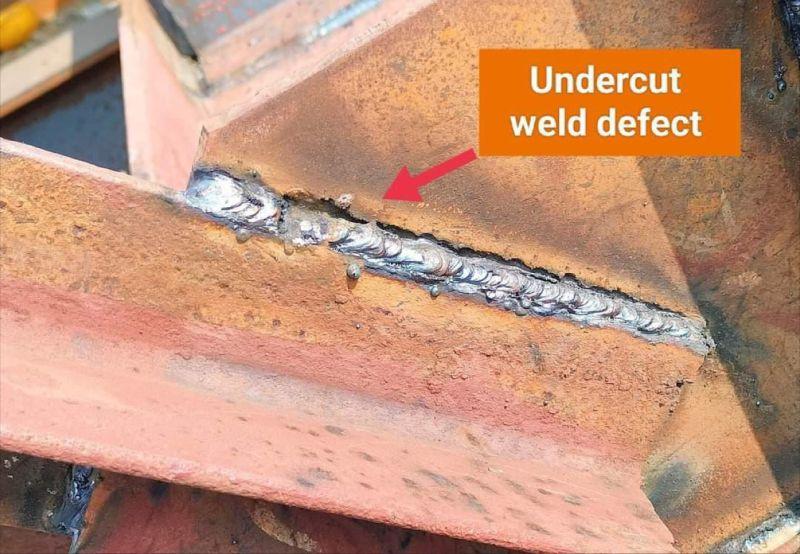
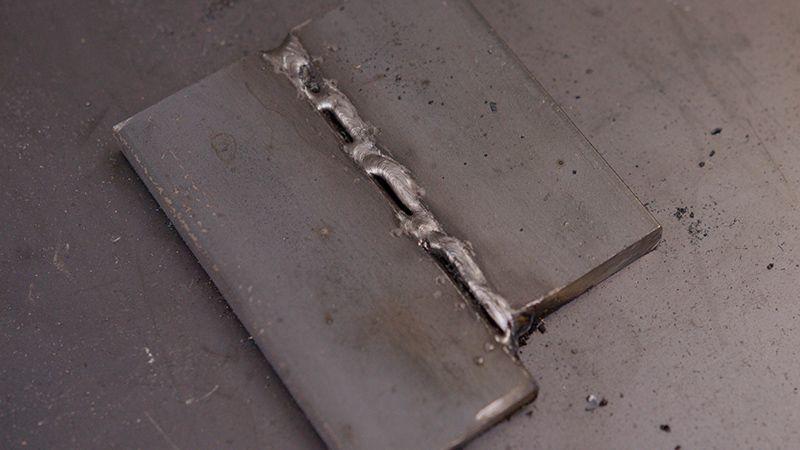
The most common welding defects include:
Porosity
Gas trapped inside the weld creates tiny holes that reduce strength and corrosion resistance.
Lack of Fusion
The weld metal fails to properly bond with the base material, creating weak joints.
Undercut
A groove melts into the parent metal beside the weld, reducing its effective thickness.
Cracks
One of the most serious defects, cracks can form during cooling or under repeated loading.
Slag Inclusion
Slag trapped inside the weld weakens the joint and usually results from poor cleaning between weld passes.
Factors That Influence Weld Quality
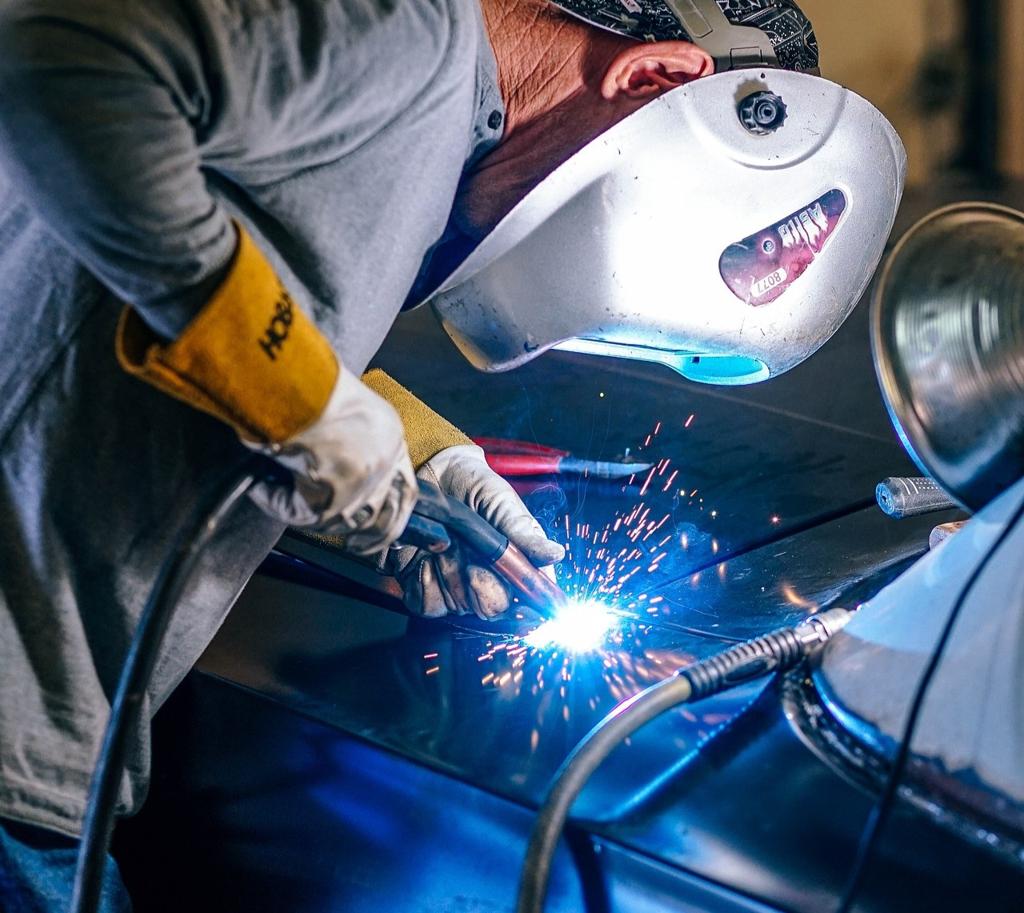
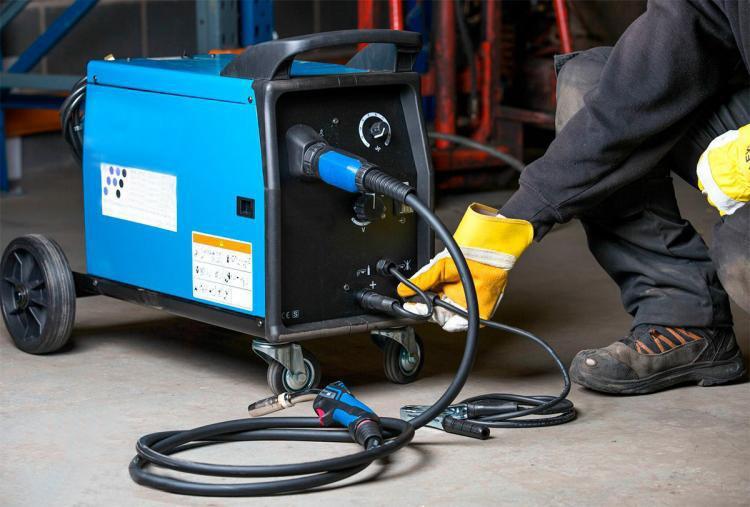
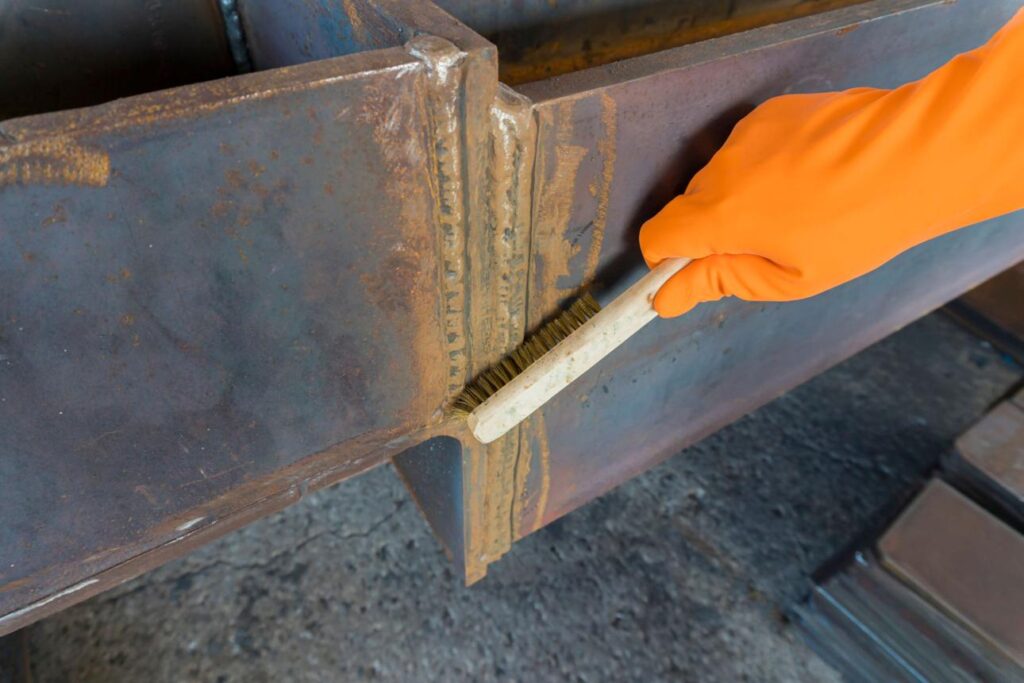
Several factors determine the quality of a weld:
- Proper material preparation
- Correct joint design
- Appropriate heat input
- Skilled welders
- Quality welding equipment
- Correct filler material
- Suitable shielding gas
- Controlled welding sequence
Importance of Weld Inspection
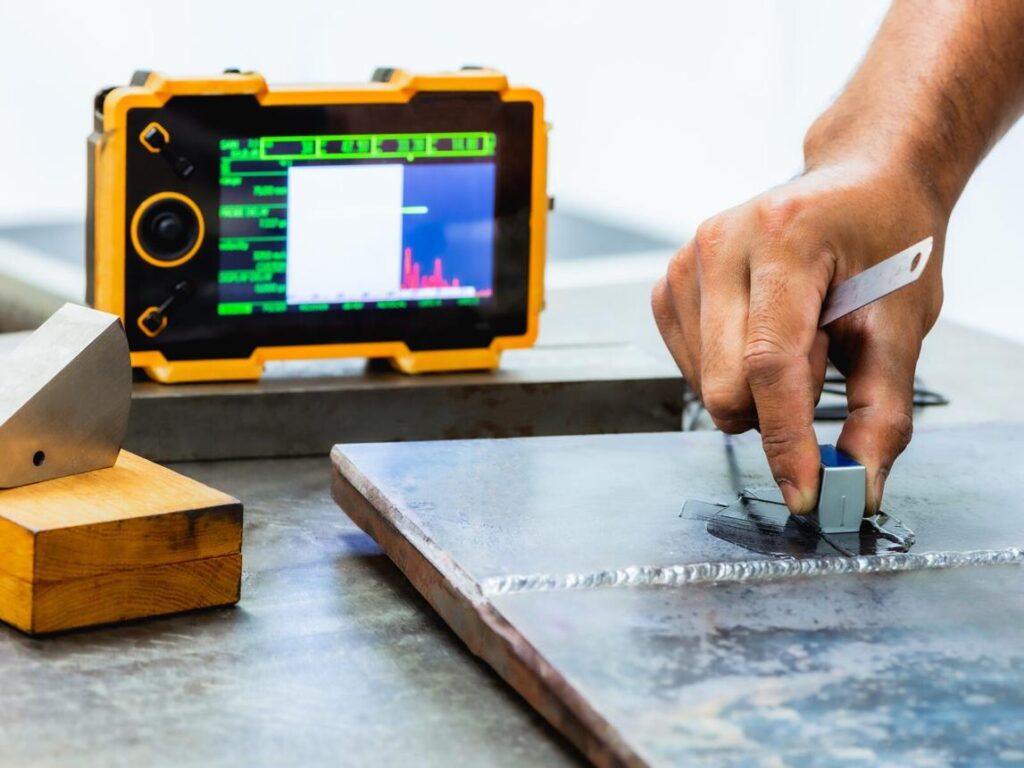
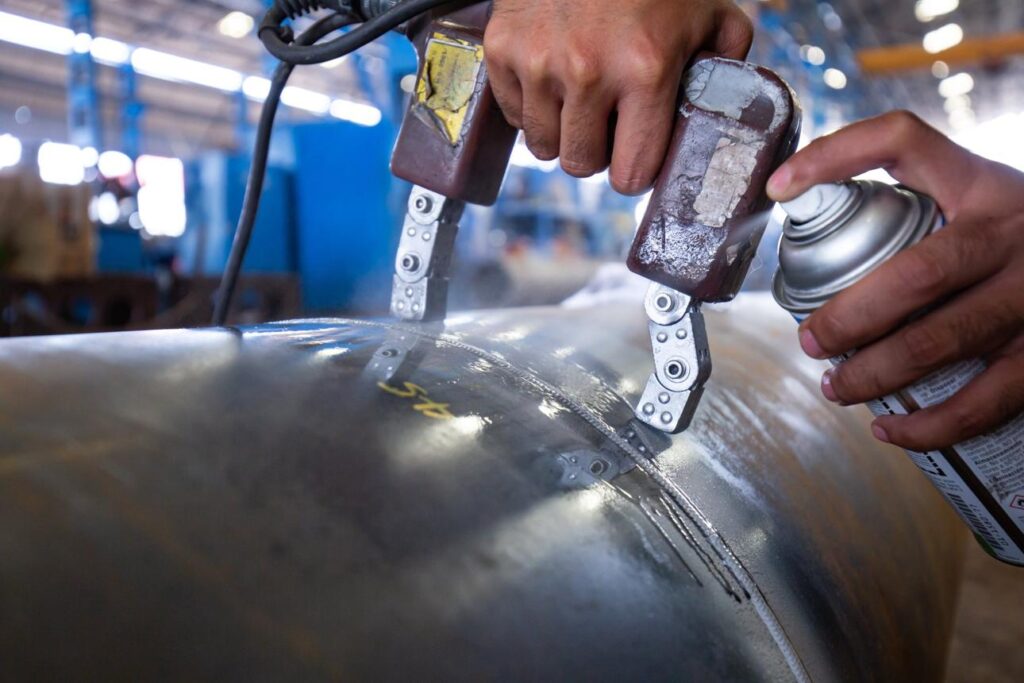
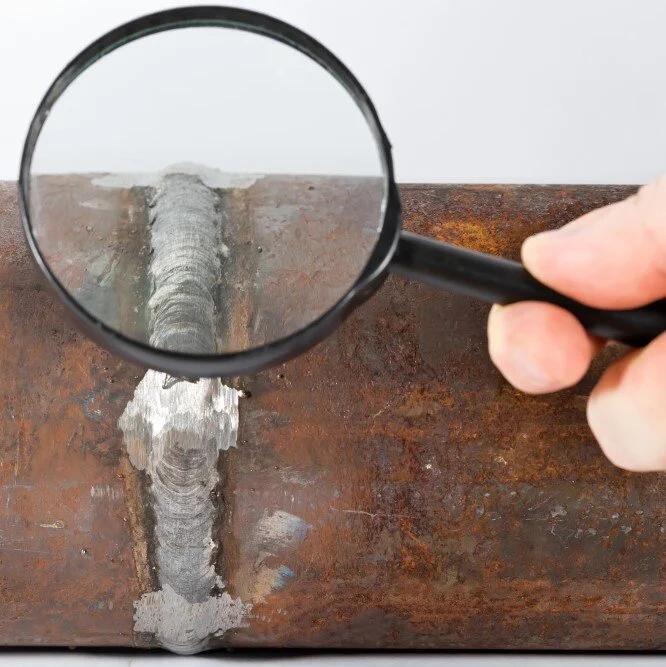
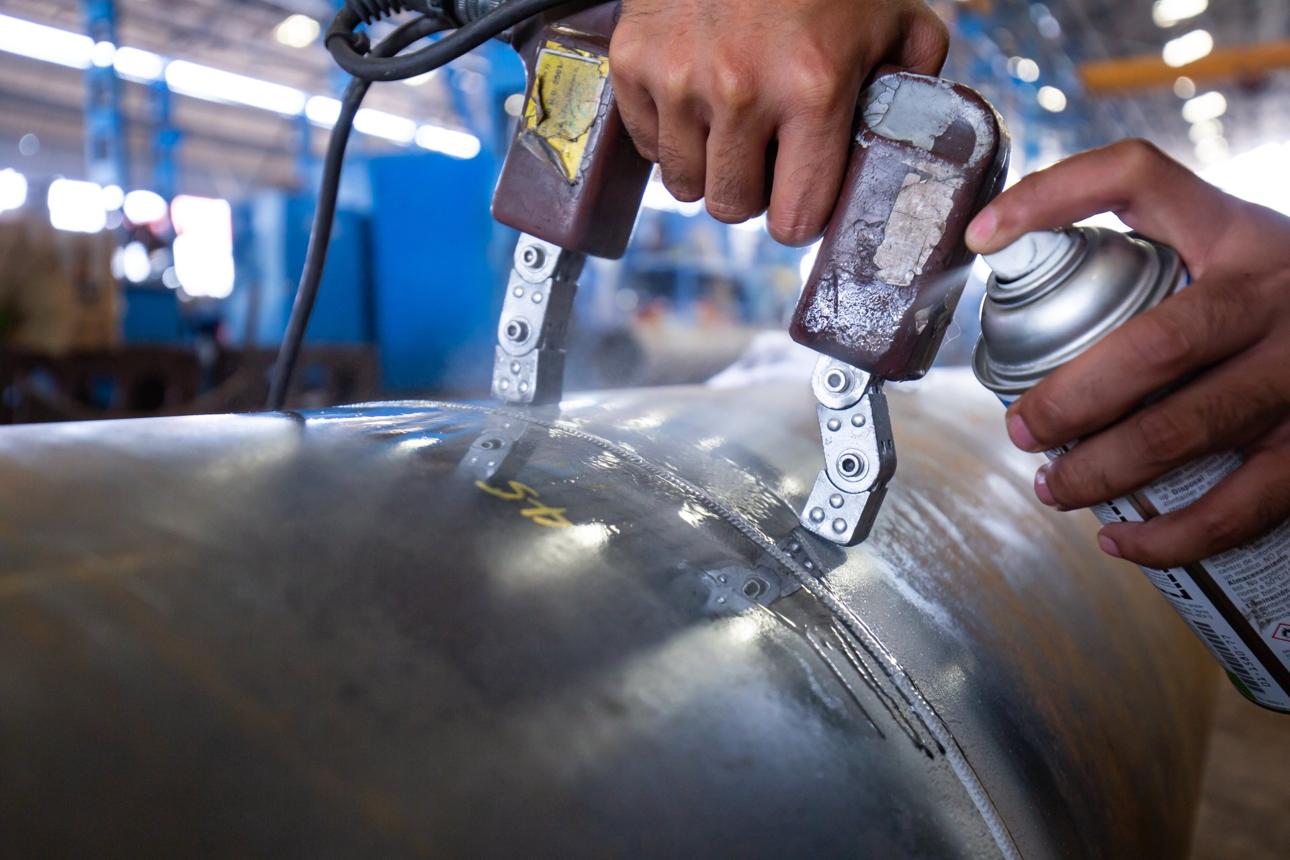
Inspection helps identify defects before fabricated products reach customers.
Common inspection methods include:
- Visual Inspection (VT)
- Magnetic Particle Testing (MT)
- Dye Penetrant Testing (PT)
- Ultrasonic Testing (UT)
- Radiographic Testing (RT)
Regular inspections reduce failures, improve quality, and ensure compliance with engineering standards.
Corrosion Protection After Welding
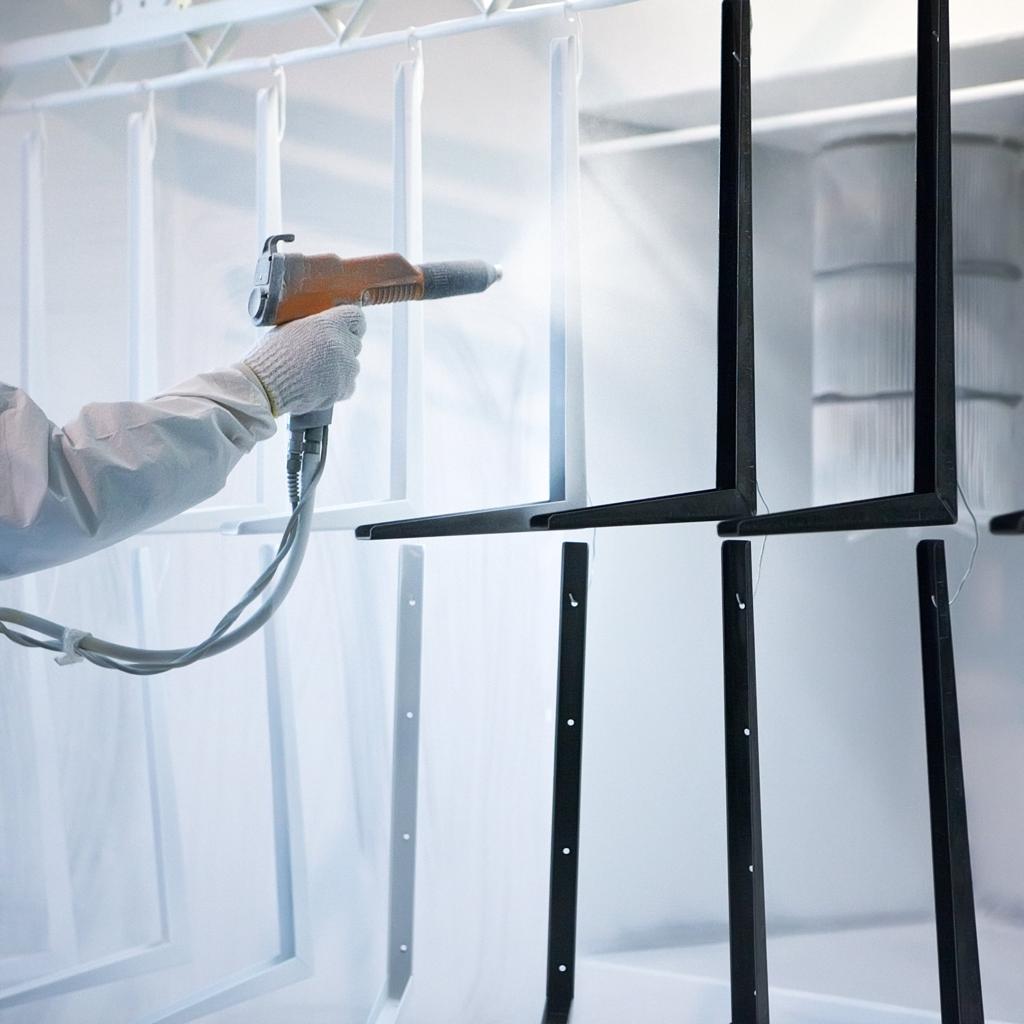
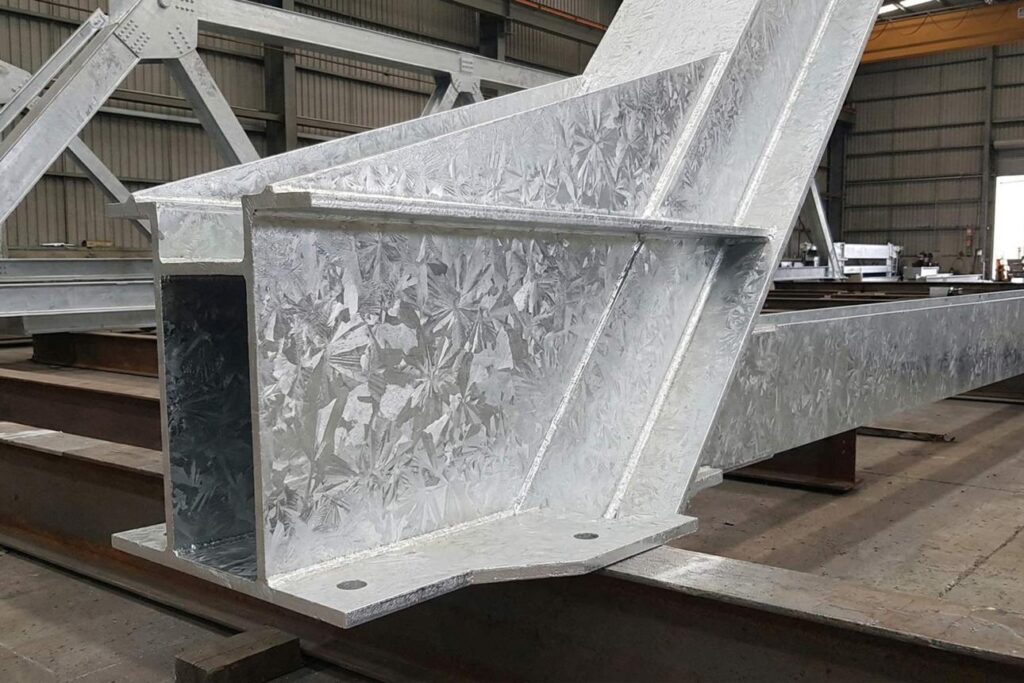
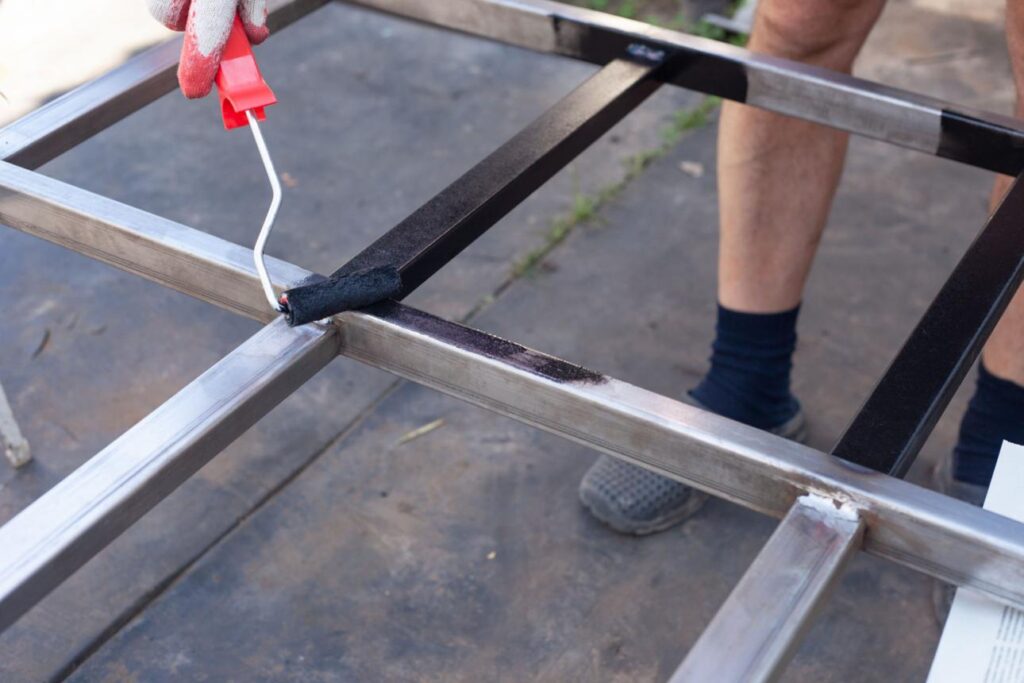
Even a strong weld can deteriorate if left unprotected.
To maximize durability:
- Smooth rough welds
- Remove slag and spatter
- Apply primer and paint
- Powder coat where appropriate
- Galvanize outdoor steel
- Use stainless steel for corrosive environments
Proper finishing significantly extends the service life of welded structures.
Benefits of High-Quality Welding
High-quality welding delivers measurable advantages:
- Increased structural integrity
- Longer product lifespan
- Reduced maintenance costs
- Improved customer satisfaction
- Better aesthetics
- Enhanced corrosion resistance
- Fewer warranty claims
- Compliance with fabrication standards
- Greater workplace safety
- Stronger business reputation
Best Practices for Fabricators
Every fabrication shop should strive to:
- Prepare all materials before welding.
- Use the correct welding process and parameters.
- Employ skilled, trained welders.
- Maintain welding equipment regularly.
- Inspect welds throughout production.
- Repair defects immediately.
- Apply suitable protective finishes.
- Follow engineering drawings and welding procedures.
- Keep quality control records.
- Continuously train staff on modern welding techniques.
Conclusion
Quality welding is the backbone of every successful steel fabrication project, whether it is a lightweight furniture frame or a heavy industrial structure. Every weld plays a vital role in the strength, safety, and durability of the finished product.
By investing in skilled workmanship, proper preparation, quality inspection, and corrosion protection, fabricators can produce structures that withstand years of service while maintaining their structural integrity and appearance.
Ultimately, welding quality is more than just joining steel—it’s about building products that customers can trust for generations.
 No products in the cart.