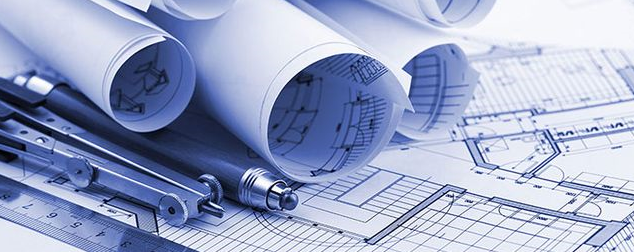
In the world of metal fabrication, precision is everything. For small and medium start-up shops, where resources are often limited and margins are tight, the importance of accurate and well-thought-out drawings cannot be overstated. Drawings are not just technical documents—they are the foundation upon which successful fabrication projects are built.
1. Clear Communication of Ideas
Drawings serve as a universal language between designers, fabricators, and clients. Whether it’s a simple bracket or a complex steel structure, a detailed drawing ensures that everyone involved understands the exact requirements. Without drawings, verbal instructions can easily lead to misinterpretation, resulting in costly errors.
For start-ups, where teams are often small and multitasking is common, having clear visual documentation reduces confusion and keeps everyone aligned.
2. Minimizing Material Waste
Material costs can significantly impact the profitability of a small fabrication shop. Accurate drawings provide precise dimensions, cutting lists, and material specifications, helping to optimize usage and reduce waste.
When you know exactly what to cut and how to cut it, you avoid trial-and-error fabrication—which can quickly eat into both time and budget.
3. Improving Production Efficiency
Time is money, especially in a growing business. Drawings streamline the fabrication process by acting as a step-by-step guide for production. Fabricators can work faster and more confidently when they have clear instructions in front of them.
For CNC cutting, laser cutting, or bending operations, drawings (especially CAD files) can be directly translated into machine instructions, significantly reducing setup time and human error.
4. Enhancing Accuracy and Quality
Consistency is key to building a strong reputation. Detailed drawings ensure that each piece is fabricated to the same specifications, maintaining quality across multiple projects or repeat orders.
For start-ups trying to establish themselves in a competitive market, delivering accurate and high-quality products can make the difference between gaining loyal customers or losing them.
5. Enabling Customization and Scalability
Many small fabrication shops thrive on custom work. Drawings make it easier to modify designs according to client requirements. Instead of starting from scratch, you can tweak existing drawings to suit new needs.
As your business grows, having a library of well-organized drawings allows you to scale efficiently. You can reuse, adapt, and improve past designs, saving time and effort on future projects.
6. Reducing Costly Errors and Rework
Mistakes in fabrication can be expensive—not just in terms of materials, but also labor and time. Drawings act as a reference point to catch potential issues before fabrication begins.
A well-reviewed drawing helps identify problems such as incorrect dimensions, interference between parts, or missing components. Fixing these issues on paper is far cheaper than fixing them in steel.
7. Professionalism and Client Trust
Providing detailed drawings to clients shows professionalism and builds confidence in your capabilities. Clients are more likely to trust a shop that presents clear plans and documentation.
Drawings also help in approvals and sign-offs. When a client reviews and approves a drawing, it reduces disputes later on, as both parties have agreed on the final design before production starts.
8. Supporting Documentation and Future Reference
Every completed project becomes a learning opportunity. Keeping drawings on file allows you to reference past work, troubleshoot issues, and improve future designs.
For start-ups, this growing database of drawings becomes a valuable asset over time—essentially forming the backbone of your design and production knowledge.
Final Thoughts
For small and medium metal fabrication start-ups, drawings are not an optional extra—they are a necessity. They save time, reduce costs, improve quality, and enhance communication across every stage of a project.
Investing time in creating accurate drawings—or even better, adopting CAD tools and standardized templates—can dramatically improve your workflow and set your business up for long-term success.
In fabrication, what you build is only as good as what you plan. And that planning starts with a drawing.
 No products in the cart.