Published by Weldbendcut | Welding, Bending & Cutting Professionals
There’s an old saying in every trade:
“The state of your workshop is the state of your work.”
Walk into a cluttered fabrication shop—tools buried beneath offcuts, welding consumables scattered around, and walkways blocked by scrap—and productivity quickly suffers. Jobs take longer, mistakes increase, and safety risks become part of everyday work.
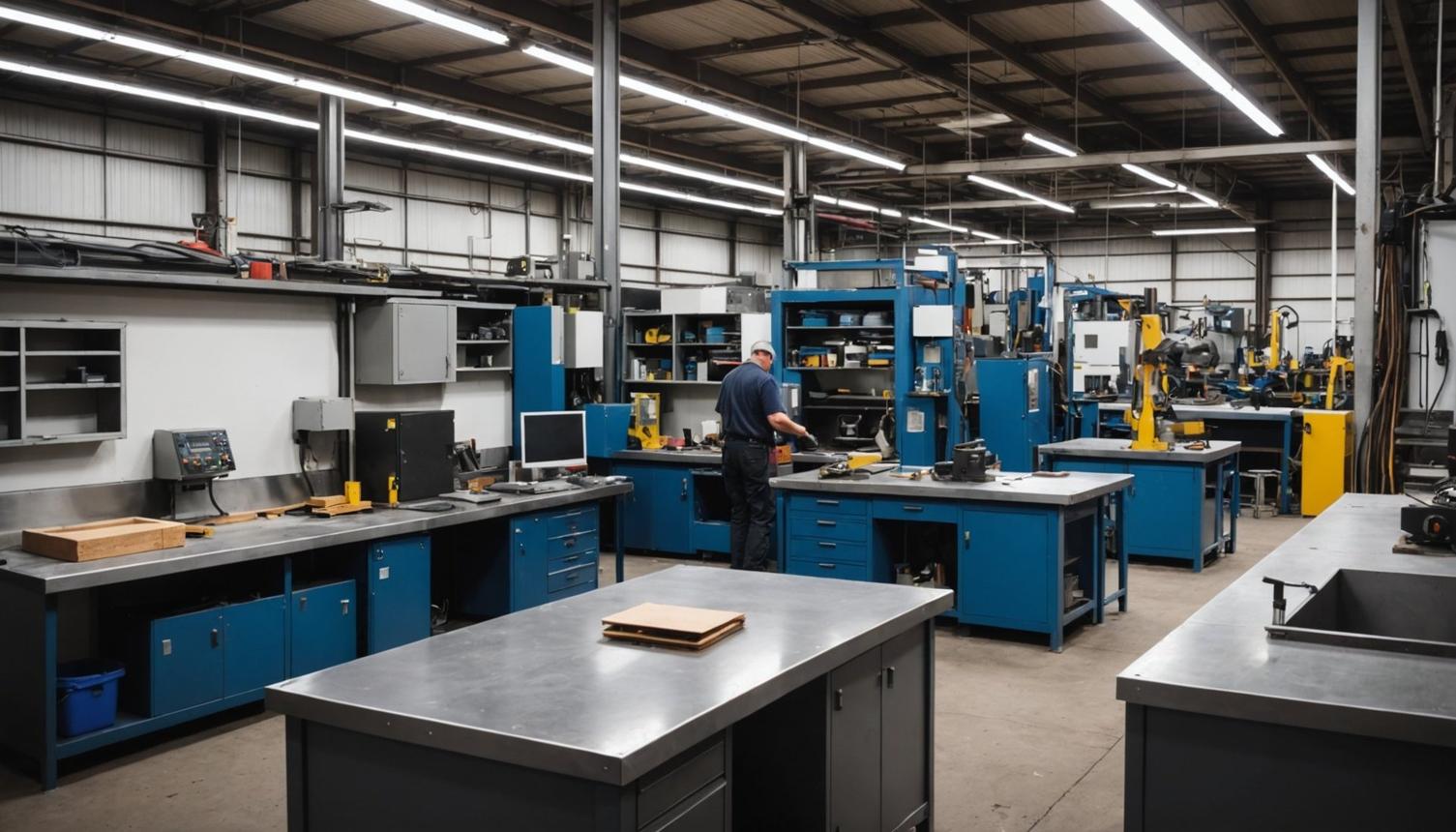
Now imagine stepping into a clean, organized fabrication workshop. Every tool has its place, materials are easy to locate, and workstations are ready to go. The difference isn’t just visual—it’s measurable.
An organized workshop improves productivity, enhances safety, reduces costs, and helps fabricators consistently produce higher-quality work.
In this guide, we’ll explore practical workshop organization tips, explain the proven 5S methodology, and share housekeeping habits that every fabrication shop should adopt.
Why Workshop Organisation Matters
A tidy workshop is more than good housekeeping—it’s an investment in efficiency.
Increase Productivity
Time spent searching for grinders, clamps, measuring tools, or filler rods is time that can’t be billed. Saving just five minutes per job can translate into dozens of productive hours over a year.
Improve Safety
Poor organization leads to:
- Trip hazards
- Fire risks
- Damaged equipment
- Lost PPE
- Increased workplace injuries
A clean workshop dramatically reduces accidents.
Produce Better Quality Work
Clean benches and organized work areas allow fabricators to focus on precision instead of distractions.
Impress Customers
Clients notice clean workshops. An organized facility demonstrates professionalism, quality control, and pride in workmanship.
The 5S System for Fabrication Workshops
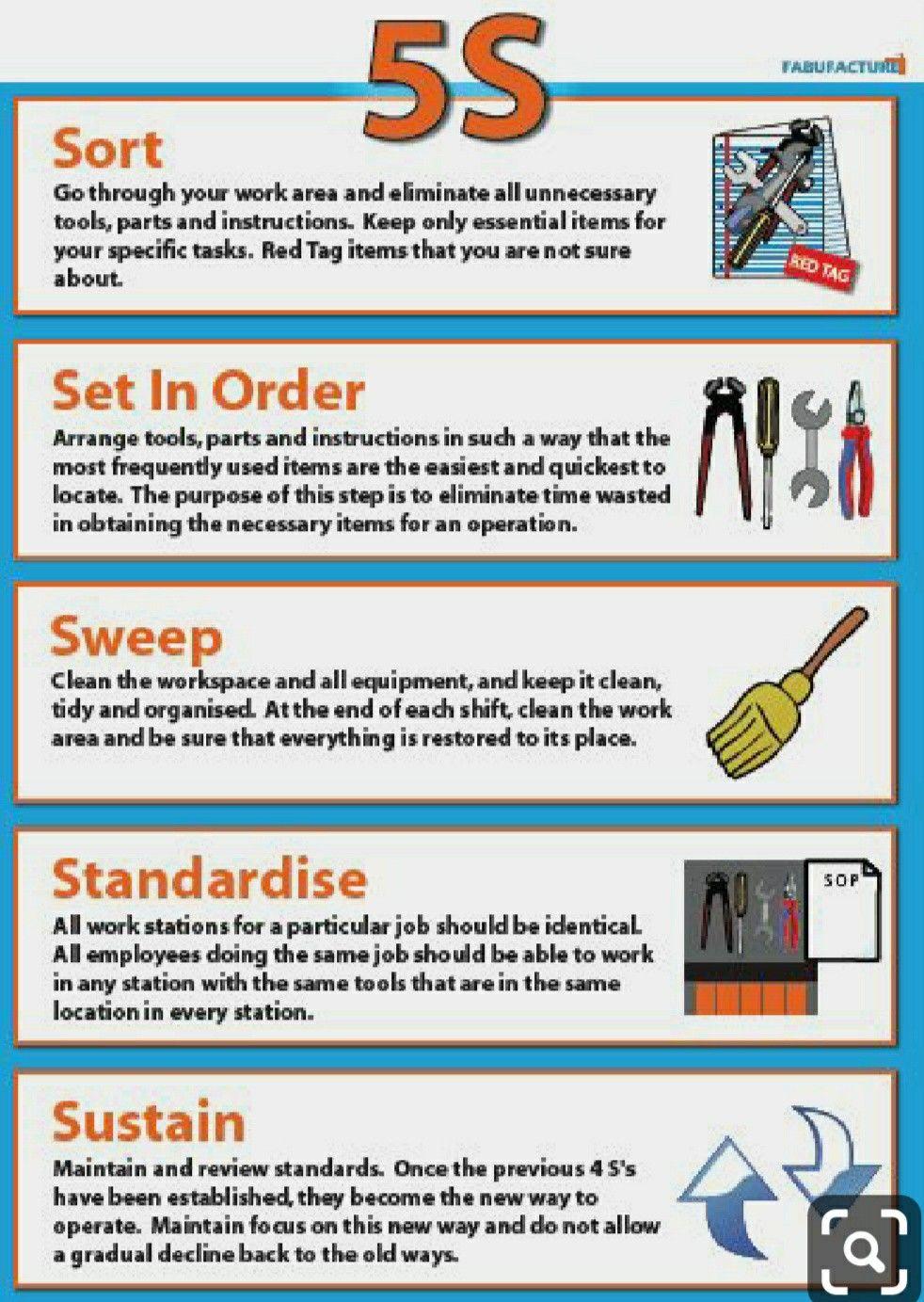
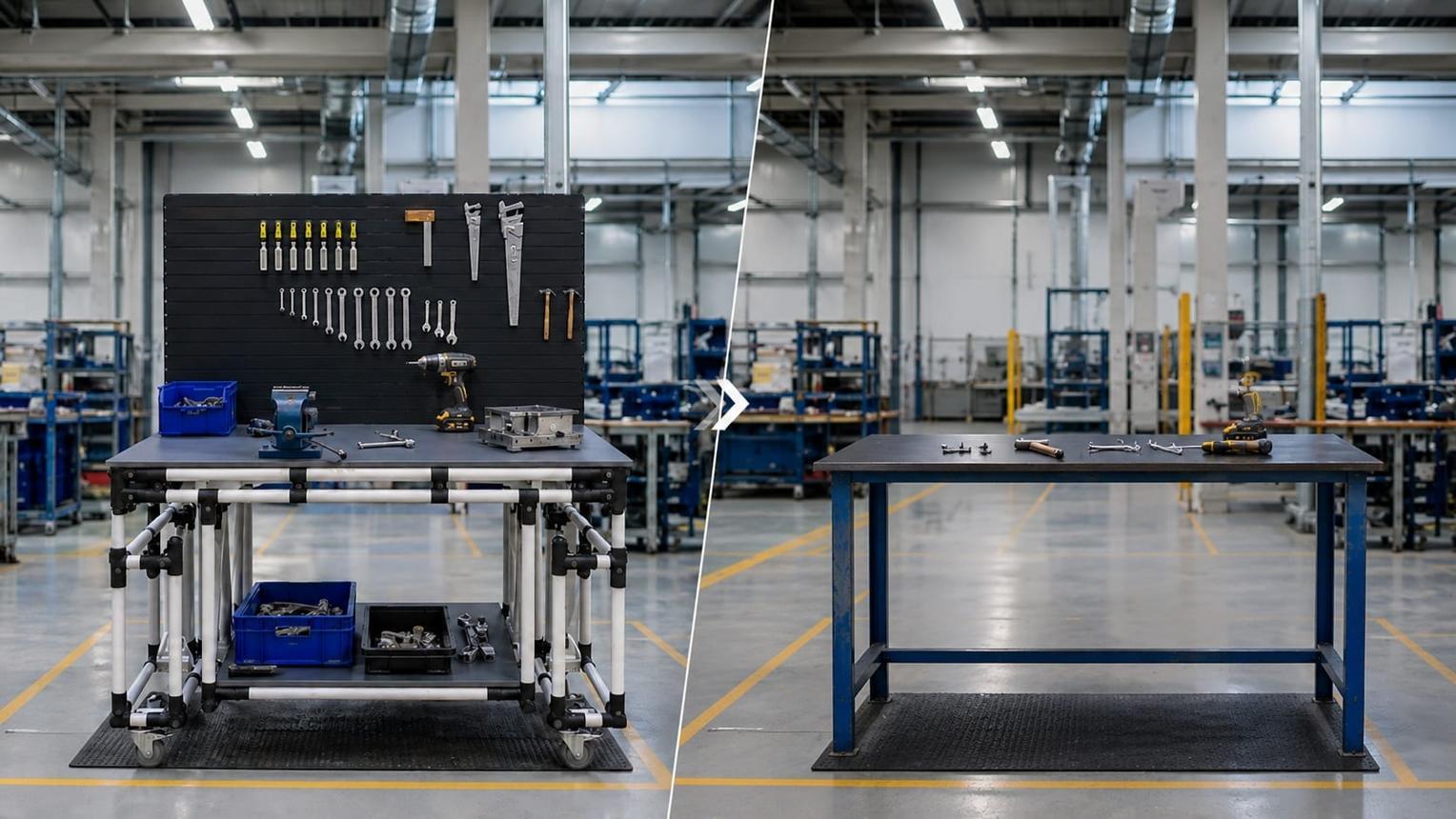
The 5S methodology, developed within Japanese manufacturing, has become the global standard for workshop organization.
1. Sort
Remove everything that isn’t regularly used.
Ask yourself:
- Does this tool still work?
- Have I used this material recently?
- Is this scrap worth keeping?
Dispose of broken tools and unnecessary clutter.
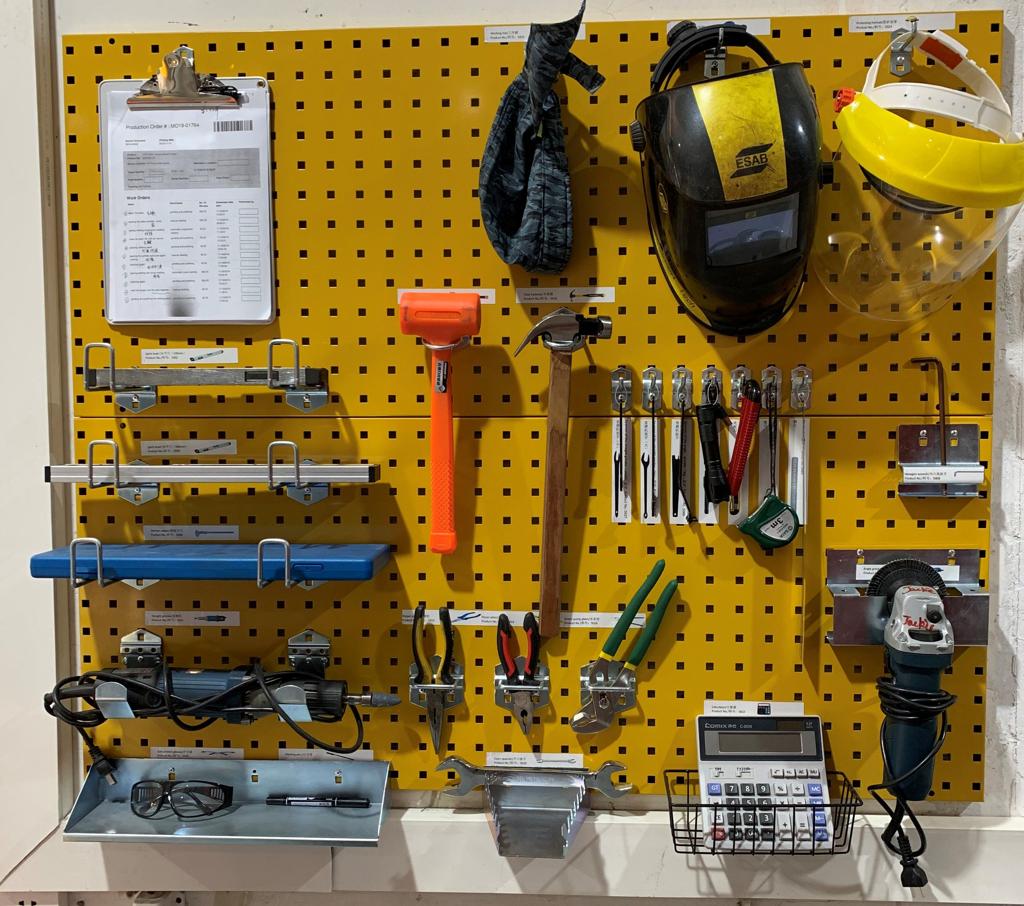
2. Set in Order
Every item needs a designated home.
Examples include:
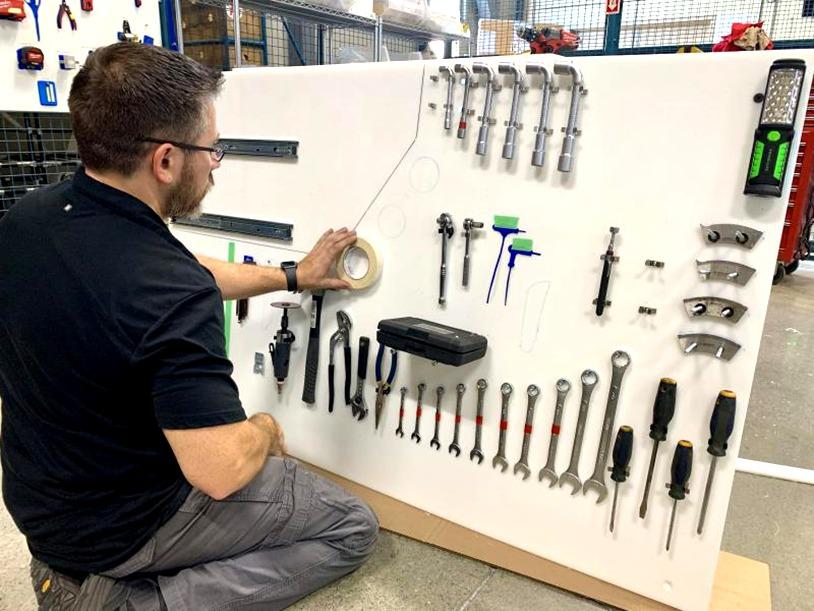
- Shadow boards
- Labelled storage bins
- Magnetic tool holders
- Drawer organizers
- Welding rod storage racks
When tools always return to the same location, productivity naturally improves.
3. Shine
Cleaning should be routine—not something done only before inspections.
Daily tasks include:
- Sweeping metal swarf
- Emptying scrap bins
- Cleaning welding tables
- Wiping machines
- Returning tools
Ten minutes every day prevents hours of deep cleaning later.
4. Standardize
Create consistent systems everyone follows.
Examples include:
- End-of-shift cleaning checklists
- Color-coded storage
- Machine inspection schedules
- Tool labels
- Standard workstation layouts
Consistency eliminates confusion.
5. Sustain
The hardest step is maintaining the standard.
Schedule a monthly workshop inspection.
Walk through every area and ask:
- Are tools being returned?
- Are shelves labelled correctly?
- Are scrap bins overflowing?
- Are workstations clean?
Small corrections prevent major disorder.
Quick Workshop Housekeeping Wins
You don’t need to reorganize your entire workshop overnight.
Start with these improvements:
Label Everything
Shelves, bins, drawers, cabinets, gas cylinders, and consumable storage should all be clearly marked.
Create Scrap Zones
Keep offcuts contained in designated racks or bins instead of allowing them to accumulate around workstations.
Install Shadow Boards
Shadow boards provide instant visual confirmation when a tool is missing.
Build a PPE Station
Locate gloves, eye protection, hearing protection, and welding helmets near workshop entrances.
Control Consumables
Maintain minimum stock levels for:
- Grinding discs
- Welding wire
- Contact tips
- Shielding gas
- Cutting nozzles
Running out during production wastes valuable time.
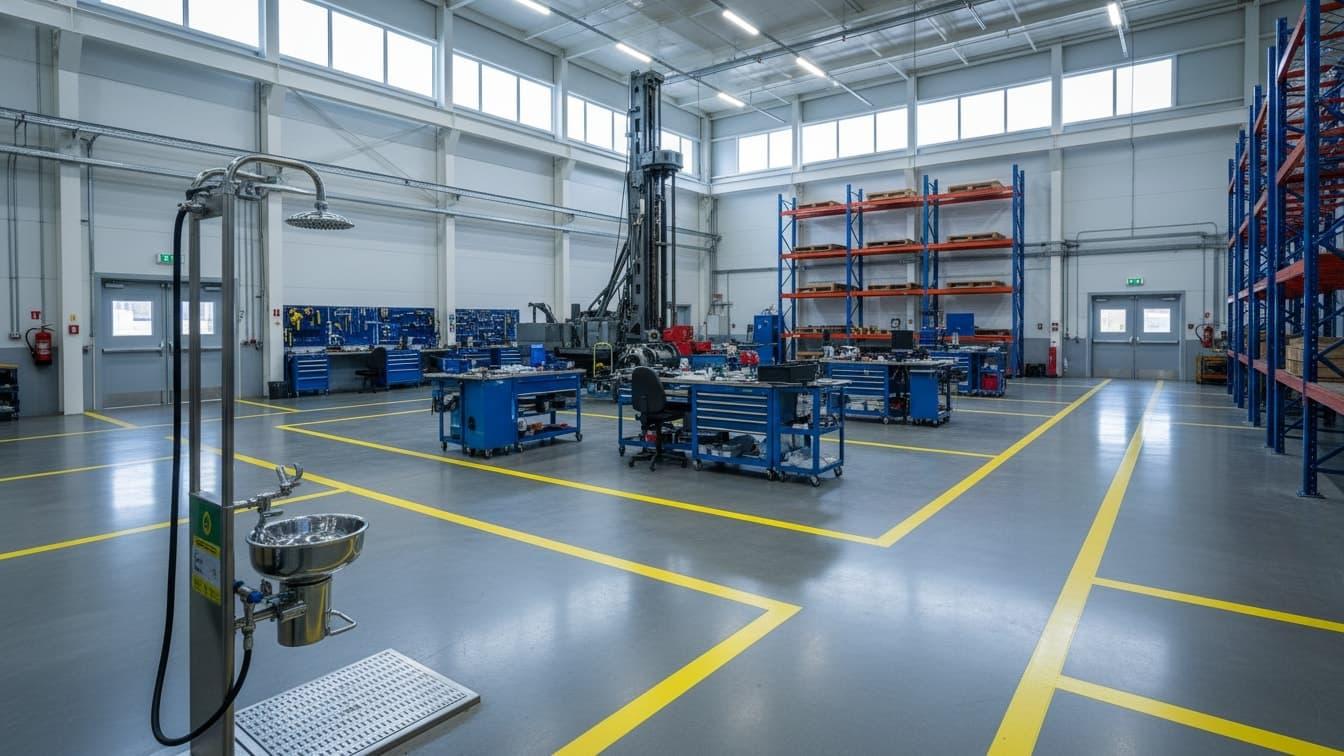
Mark Floor Zones
Use durable paint or floor tape to identify:
- Walkways
- Welding areas
- Storage
- Forklift routes
- Material staging areas
This improves workflow while reducing accidents.
Workshop Organisation and Health & Safety
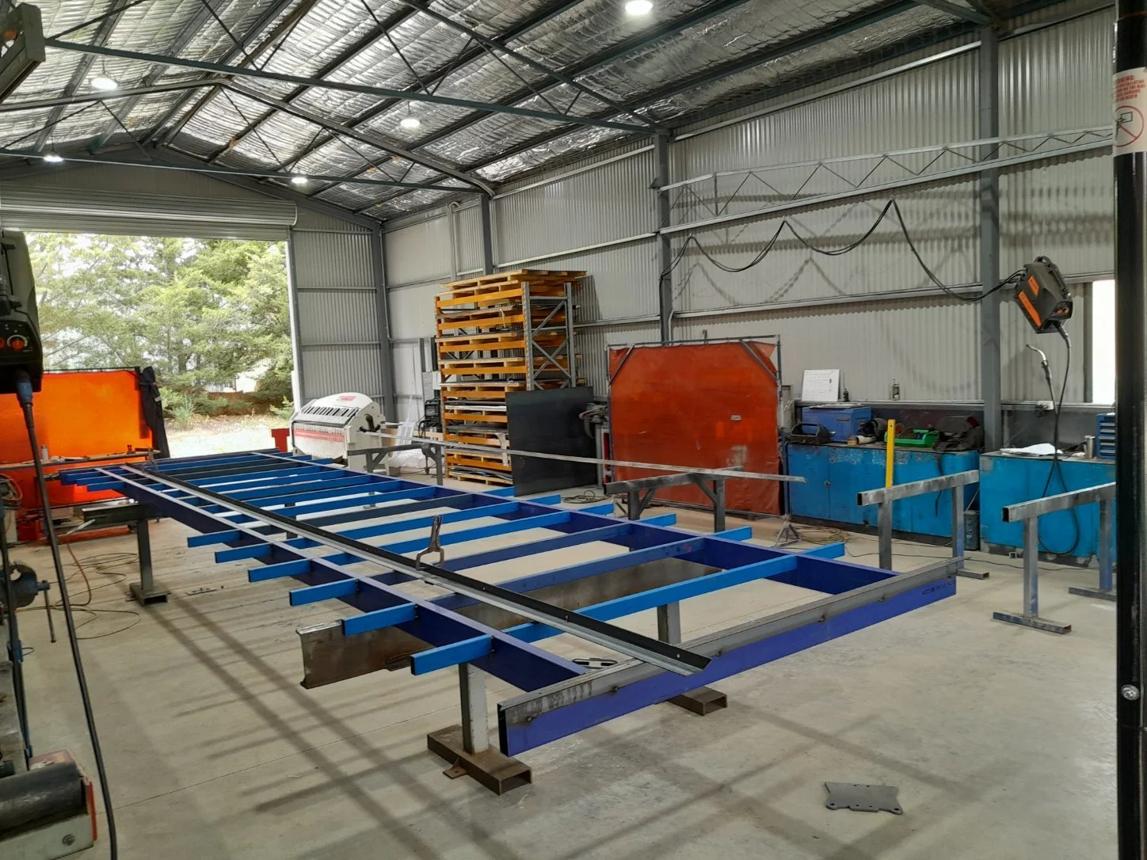

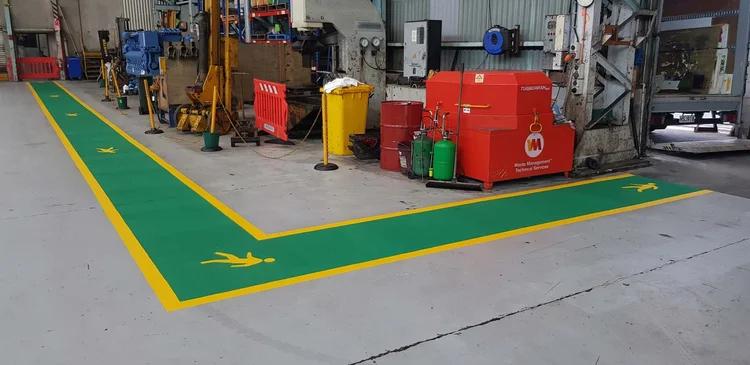
Good housekeeping is an essential part of workplace safety.
A well-maintained fabrication workshop should always provide:
- Clear walkways
- Safe storage of hazardous materials
- Accessible fire extinguishers
- Unobstructed emergency exits
- Regular machine maintenance
- Proper disposal of swarf and waste materials
Strong housekeeping practices help protect employees, equipment, and business operations while supporting compliance with applicable workplace health and safety regulations.
The Mindset Behind Great Workshops
The best fabricators don’t simply produce excellent welds—they build systems that allow excellent work to happen every day.
Organization isn’t about perfection.
It’s about reducing friction.
When tools are easy to find, materials are properly stored, and workstations remain clean, productivity becomes the natural outcome.
Start with one bench.
Then one bay.
Soon your entire workshop will reflect the professional standards you expect from your fabrication work.
Final Thoughts
Workshop organization isn’t a one-time project—it’s an ongoing habit that pays dividends every day.
A clean, organized fabrication shop:
- Improves efficiency
- Enhances safety
- Reduces wasted time
- Protects equipment
- Produces higher-quality work
- Builds customer confidence
At Weldbendcut, we believe great fabrication begins long before the first cut or weld. It starts with a workshop designed for efficiency, precision, and safety.
Whether you’re building custom metal furniture, structural steel, trailers, or industrial equipment, investing in workshop organization is one of the smartest improvements you can make.

 No products in the cart.